Keeping Your Build Moving on Live Sites
Tight access, live tenants, shared driveways and no spare days in the program. That is the reality on many Sydney and NSW jobs. When the site is live and neighbours are watching every move, the last thing you want is messy excavation or foundation delays.
Getting the ground works right sets the tone for the whole build. If foundations slip, the frame, services, scaffold and finishes all start stacking up behind. On a busy or occupied site, that can mean angry neighbours, stressed clients and trades tripping over each other.
Screw piles give builders, developers and homeowners another option. With less excavation, less spoil and faster install times, screw piling can keep jobs moving even when access is tight and other trades or tenants are still operating around you.
Why Screw Piles Suit Tight Programmes and Busy Sites
On many NSW projects, there is pressure from every side. You might be working around:
- DA conditions and neighbour agreements
- Short weather windows, especially in the wetter months
- Liquidated damages in contracts
- Strict work hours in built-up suburbs
Traditional bored piers and deep excavation can hold things up. There is set-up, drilling, cleaning out holes and then waiting on concrete to cure before you can stand frames or place slabs.
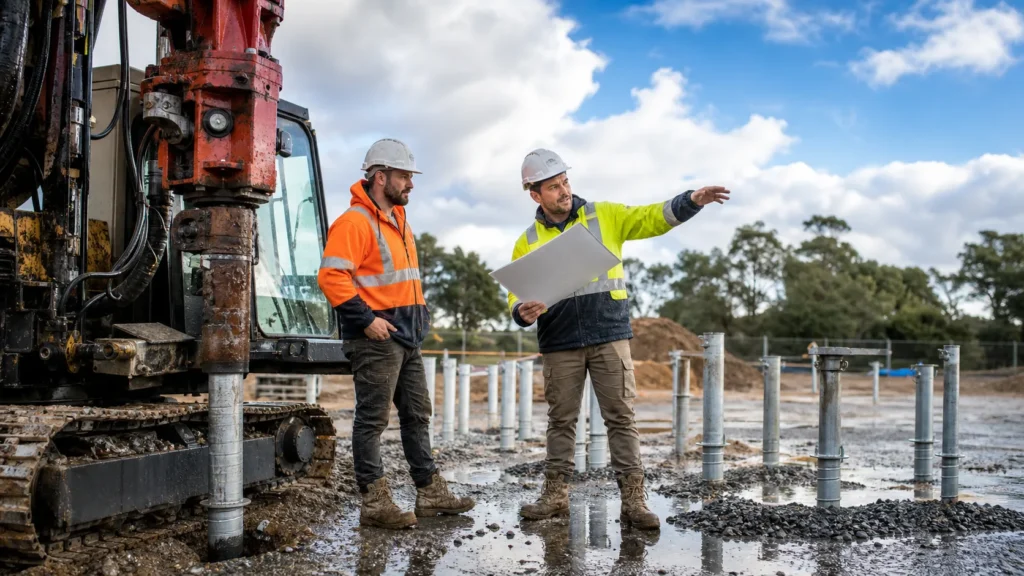
With screw piling, foundations can often be installed in a day or two using compact machinery. Once piles are in and tested, you are not waiting on concrete to gain strength. That can mean:
- Earlier frame start and quicker lock-up
- Less overlap with wet trades in the mud
- Smoother sequencing with plumbers, sparkies and scaffolders
Good screw piling services in NSW also put work into pre-planning and engineering. Clear designs and documentation make it easier to work with certifiers and inspectors so approvals and sign-offs slot into the program, not against it.
Working Safely on Live and Occupied Sites
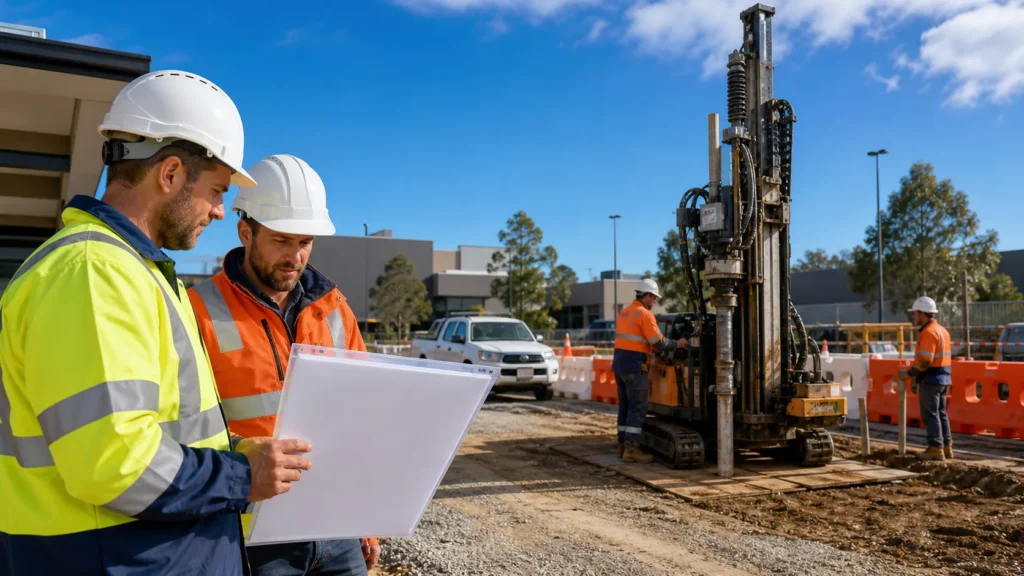
Live sites come in many forms. You might be under a warehouse mezzanine while forklifts are still running, in an operating school during holidays, under a strata block with residents at home, or squeezed down the side of a suburban house with kids and pets in the yard.
On these jobs, safety and disruption matter as much as speed. Screw piling helps because there is minimal excavation. That means:
- Fewer open trenches and trip hazards
- Less loose spoil piled around the site
- Fewer heavy truck movements in tight or shared areas
Compared to traditional bored piers, screw piling can also reduce noise, vibration and dust. There is no need for large rock augers or concrete trucks idling on the street. This makes it easier to keep neighbours, tenants and building managers comfortable with the work.
We often see simple staging make a big difference, such as:
- Setting up clear exclusion zones and fencing around the piling area
- Timing the noisiest work for mid-morning when fewer people are home
- Coordinating with building managers so access doors, car parks or lifts are kept clear when needed
The right approach keeps the job productive while still respecting the people living or working around the site.
Planning Screw Piling Around Your Build Program
The earlier screw piling is considered, the smoother the build program tends to run. Pulling a piling contractor in at design or tender stage lets you sort out ground conditions and access limits before they become surprises.
A good piling plan usually fits neatly into the critical path:
- Survey and set-out
- Confirm existing services and clearances
- Screw piling install and testing
- Immediate follow-on works, such as stumps, slab prep or steel
Geotech reports and engineer designs guide the initial pile layout. Out in the field, actual ground conditions sometimes vary, especially on infill sites with old fill or buried rubble. Experienced screw piling services in NSW can adapt pile sizes and depths on the day within the design intent, so you are not left waiting for new bored pier details or extra excavation.
On a tight inner-west infill job, for example, a piling team might hit unexpected fill at depth. With screw piles, they can often respond by driving a little deeper or changing helix configuration in line with the engineer’s design parameters, keeping the schedule moving instead of stopping work for a redesign and re-drill.
Managing Access, Machinery, and Logistics on Tight Sites
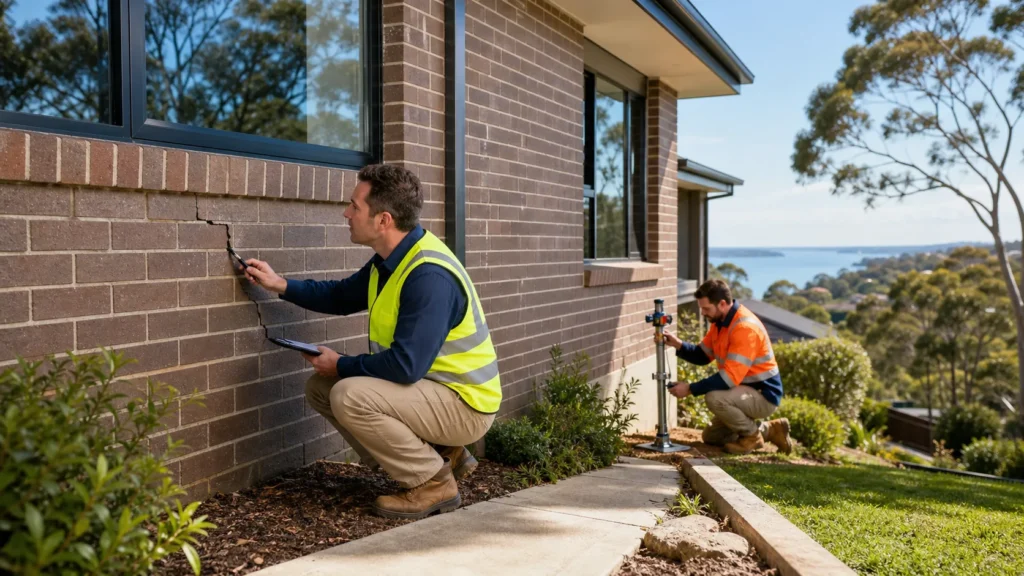
Access is often the hardest part of NSW sites. Narrow side paths, shared easements, rear laneways, steep blocks, wet or reactive clays and loose coastal sands all add layers of difficulty.
Screw piling helps because the gear can be scaled to match the access. Smaller excavators and portable torque heads can install piles:
- In backyards with limited side access
- Under existing structures like decks or awnings
- Through car parks or laneways with height limits
Material handling also becomes simpler. Piles are delivered as steel shafts rather than bulk concrete or large amounts of reinforcing. Because there is very little soil coming out of the ground, there is less spoil to manage and fewer truck movements in busy suburban streets or live commercial areas.
On a live retail tenancy upgrade or a terrace extension, for example, screw piling can often be done without taking down fences or shutting the whole site. Piles can be brought through existing entries, installed quickly and the area cleaned up so other trades can get in without major disruption.
Keeping Costs and Risks Under Control
When the program is tight, delays at foundation stage can flow into every part of the job. Wet weather, ground surprises or failed bores can mean lost days, rework and clashes with other trades.
Screw piling can reduce a lot of that risk because:
- Install times are more predictable once access is sorted
- There is little or no dewatering compared to open holes
- There is no risk of bores collapsing before inspection or concrete pour
In reactive clays and fill, screw piles can improve structural performance by reaching more stable layers. Inspections are usually straightforward, as piles and testing data are clear and easy to document for certifiers and insurers.
Working with a specialised screw piling team in NSW also helps tidy up scope and assumptions early. Clear ground allowances, access plans and design limits mean fewer variations, fewer surprises for the client and less time arguing about who owns what in the contract.
Getting Your Next Live Site Out of the Ground Faster
For busy builders, developers and homeowners, screw piling offers a simple set of benefits on live and tricky sites: speed, less mess, safer working areas and more predictable programs. It lets you keep neighbours and tenants on side while still pushing to hit your milestones.
If you have upcoming work with tight access, live operations or uncertain ground, it is worth looking at how screw piles could de-risk the foundations. Pulling together plans, any soil information and walking the site with an experienced piling contractor makes it easier to see where screw piles can slot into your schedule.
At Screw Piling, we focus on engineered screw piling solutions for Sydney and NSW conditions, with an eye on build programs as much as design loads. Thoughtful planning and the right piling method can keep your next live site moving, even when the rest of the job is under pressure.
Get Started With Your Project Today
If you are planning a new build or remedial works and want reliable foundations from day one, we are ready to help. At Screw Piling, our experienced team can assess your site conditions and recommend the most cost-effective solution to suit your project and soil profile. Explore our screw piling services in NSW to see how we can support your residential, commercial or industrial works, then reach out to discuss time frames, engineering requirements and next steps.