Smarter Foundations That Save Time and Headaches
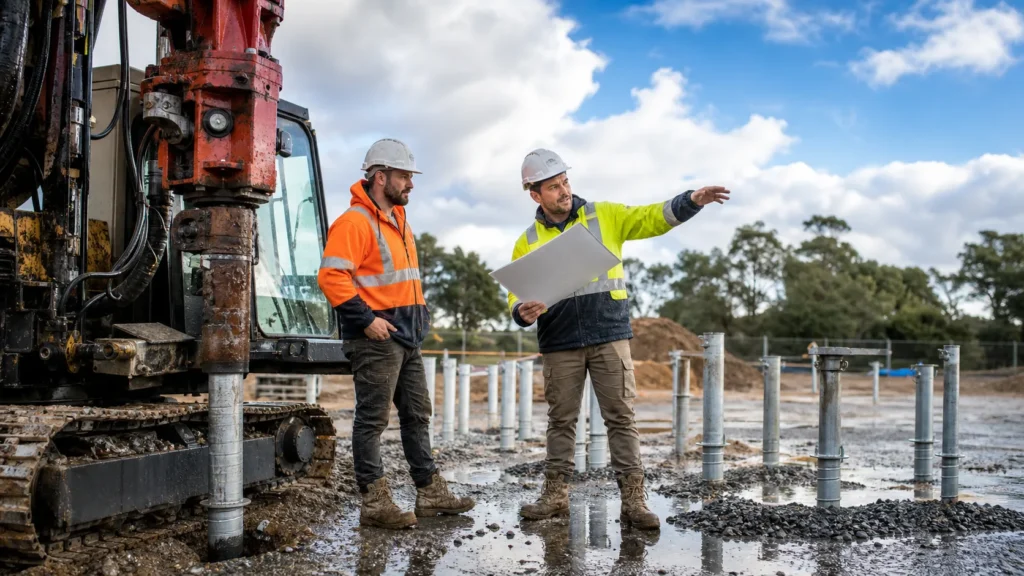
A screw pile foundation system is a steel shaft with one or more helices that is screwed into the ground to support a structure. Instead of digging big holes and pouring concrete, we effectively screw the foundations in like a giant screw. That sounds simple, but how we design those piles is what makes the difference between a smooth job and years of movement problems.
Across Sydney and NSW, sites are rarely straightforward. We see sloping blocks in the North Shore, reactive clays out west, sandy ground near the coast, and tight access in inner suburbs. Add time pressure from programs and neighbours watching every move, and there is not much room for guesswork. In this article we walk through the design decisions that make screw piles work better in the real world, not just in a drawing set.
Matching Screw Pile Design to the Site, Not the Brochure
Good screw pile design starts with understanding the ground, not picking a size from a catalogue. A proper geotechnical investigation is ideal, but even basic soil testing and solid local knowledge can help build the right picture, especially with the variable clays and fill we see across Sydney.
Key ground questions we care about are:
- How deep is the fill or soft material?
- Where is the firm bearing layer?
- Is the clay highly reactive or subject to seasonal moisture swings?
- Are there groundwater issues or very loose sands?
Once we know that, we can choose:
- Pile length, so the helix sits in stable soil, not just in fill
- Shaft diameter, to suit the loads and expected bending
- Helix size and spacing, to get the needed capacity in that particular soil
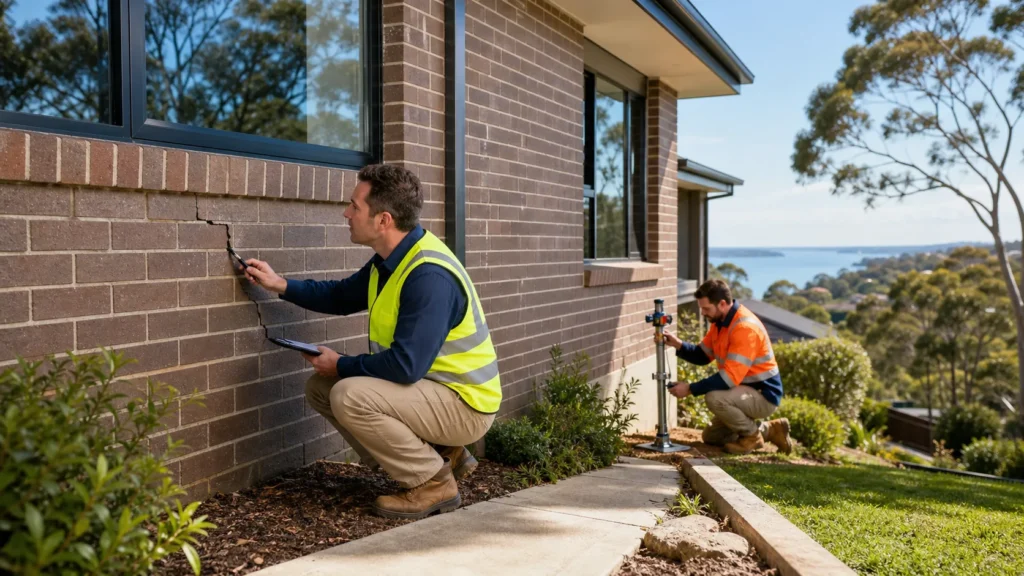
On a typical knock-down rebuild in western Sydney with reactive clay, a generic short pile might sit too high in the active zone. Seasonal wet and dry cycles then move the clay and the slab can crack. By designing a screw pile foundation system with deeper embedment into more stable material, we keep the structure supported below the worst of the seasonal movement.
Getting Loads and Spacing Right From the Start
Soil is only half the story. The other half is what the building is actually doing to the ground. Different load types affect how we design the piles:
- Dead loads from the structure itself
- Live loads from people, furniture and normal use
- Wind loads, including uplift on roofs and canopies
- Point loads from columns, balconies and heavy walls
These loads tell us how strong each pile needs to be and how many piles we should use. Too little capacity or too wide spacing can lead to:
- Uneven settlement
- Cracking in slabs and walls
- Doors and windows that stop working properly
Overdoing it is not smart either. Oversized piles at very tight spacing can add time and material with no real gain. A well engineered screw pile foundation system aims for the sweet spot where:
- Total pile numbers are sensible
- Pile capacity matches real loads with a safe margin
- Layout works with the structural grid and service runs
On a medium-density townhouse job, for example, careful load take-off and spacing can mean fewer piles under long walls while still meeting code and serviceability limits. That keeps performance high without turning the substructure into a forest of steel.
Designing for Access, Weather and Tight Programs
Good design takes into account how the piles will actually be installed on the day. Many Sydney jobs have things that make life harder:
- Narrow side access between existing houses
- Overhead power lines and service cables
- Existing slabs or structures that must stay
- Staged construction with limited windows to work
With screw piles, we can plan shaft sizes and equipment around these limits. Lighter rigs and shorter lead sections can get down tight driveways or along the side of a terrace, which is simply not possible with large bored pier rigs.
Weather is another design input. In late autumn and winter, wet ground can slow or stop traditional excavation. Screw piles need far less spoil and can usually keep going in softer conditions, as long as the ground has enough strength to react against the helix. By planning pile types, installation torque bands and contingency lengths, we can keep foundations moving even when the weather does not play nice.
On a steep North Shore renovation with tricky access, for example, designing shorter modular piles and clear install sequences can keep machinery off neighbours’ lawns, limit noise time, and keep the program on track despite rain.
Small Tweaks That Make Installation Run Smoother
A lot of time is saved or lost in the small design details and paperwork before the rig arrives. Practical tweaks that help include:
- Clear set out drawings that match the builder’s grid and survey
- Using a limited number of pile types wherever possible
- Allowing for extension pieces so lengths can be fine tuned on-site
- Pre agreeing torque ranges with the piling contractor
If the design calls for capacities that need unrealistic torque on a small rig, you are asking for refusal, bent steel or rework. Matching expected torque to the actual equipment on-site keeps things efficient and safe.
On a commercial fit-out with a hard program, smart planning means:
- Simple naming of pile types on plans
- Logical installation order so trades are not in each other’s way
- Space allowances for the rig to move through the building or frame
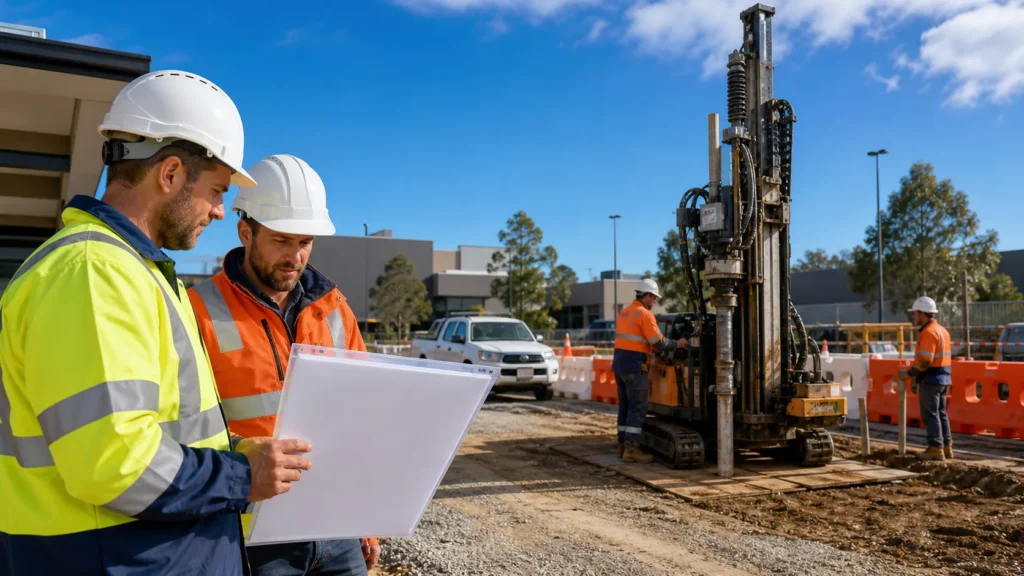
That kind of coordination lets hundreds of piles go in over a very short window, with minimal disruption to other trades and less risk of arguments about who is holding who up.
Building in Long-Term Durability and Performance
The design work does not stop once piles are on the ground line on a drawing. We also need to think about how they will perform over decades. One major issue is corrosion, especially on:
- Coastal or bayside sites
- Low-lying, often wet ground
- Areas with aggressive soils
Options like thicker steel, sacrificial corrosion allowances or protective coatings can be built into the screw pile foundation system design so the piles achieve the intended service life in that environment.
It also pays to look ahead. If there is a good chance of future extensions, extra storeys, decks or new plant on the roof, we can design for those loads now. That avoids having to do expensive remedial work or add awkward support later.
Good quality control ties this all together:
- Recording installation torque for every pile
- Checking depths against the design intent
- Engineer review and sign off of the final records
That documentation gives confidence to certifiers, insurers and future owners that the foundations are properly thought through, not just guessed on the day.
How to Make Better Screw Pile Decisions on Your Next Job
The projects that run smoothly tend to follow the same basic principles. They match the screw pile design to the actual soil, not a generic brochure. They get the load paths and pile spacing right early, then allow for real world constraints like access, weather and staging. They also look past the cheapest pile rate and think about total program time, risk and long term performance.
The best time to involve a screw piling specialist is early, ideally around DA or CC stages or at least before tenders are locked in. That way pile layouts, lengths and capacities are realistic, and pricing lines up with what will actually be built. On your next project, if you are dealing with sloping ground, reactive clay, limited access or just a tight program, it is worth asking how a screw pile foundation system could simplify the job and reduce headaches across the whole build.
Get Started With Your Project Today
If you are planning a new build or upgrading existing foundations, we can help you choose the right screw pile foundation system for your site conditions and budget. At Screw Piling, we work closely with you and your engineer to deliver reliable results that keep your project on schedule. Talk to our team today to discuss your timelines, technical requirements and any site constraints so we can provide a tailored solution that suits your needs.