Stopping Costly Foundation Failures Before They Start
Building on a slope in Sydney can feel like asking for trouble. Steep fall, awkward access, and mixed ground conditions can all turn a simple footing plan into a drawn-out headache. When you add tight programs and wet weather, it is no surprise that building foundations for sloping sites often run over time and cause stress for everyone on the job.
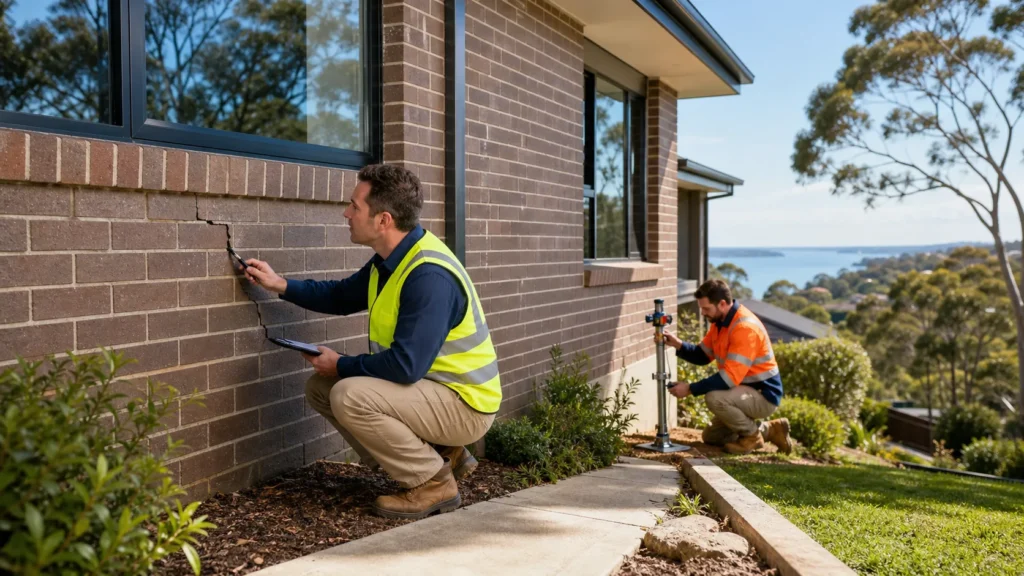
Many builders and homeowners only realise the risk once things start going wrong. A heavy storm hits, trenches collapse, or a retaining wall starts to move. At that point, you are trying to fix a problem while the clock and budget are already under pressure.
We see this a lot on older hillside suburbs around the harbour and beaches. A footing trench cut too close to a boundary, a thin layer of fill that was not picked up early, or reactive clay that swells after rain. The result can be a near miss or an outright blowout that could have been avoided with a different foundation strategy from the start.
Screw piles give another option for tricky blocks. By screwing piles down into stable ground instead of digging big holes for concrete, we can reduce excavation, keep sites tidier, and give the structure proper support in difficult soil.
Why Sloping Sydney Sites Blow Out Time and Budget
Sloping blocks are not just about dealing with the gradient. The real trouble comes when you start cutting into the hill. Common issues include:
- Over-excavation because trenches collapse or the inspector wants more depth
- Hitting unexpected rock shelves or soft pockets that force a redesign
- Undercutting neighbouring properties or boundary fences
- Needing bigger machines that simply do not fit on tight inner-city blocks
Sydney’s ground adds another layer of risk. On many hillsides you get a mix of:
- Fill from old cut-and-fill work, sometimes with rubbish or loose material
- Weathered sandstone that changes from firm to crumbly in a few metres
- Reactive clays, especially as you head to the west, that move with moisture changes
Open excavations on these sites do not like heavy rain. Intense storms and wet spells can turn clean trenches into slop overnight. Then you are:
- Pumping out water before every pour
- Carting away slumped material and re-forming trenches
- Pouring extra concrete to make up for messy edges and collapsed sides
- Waiting on fresh engineer instructions because the original footing detail no longer matches the hole in the ground
All this means lost time, more labour, and more risk that the program slips. When the site is on a slope, every bit of rework is slower and harder, because access is already fighting you.
How Screw Piles Tame Steep, Tricky Blocks
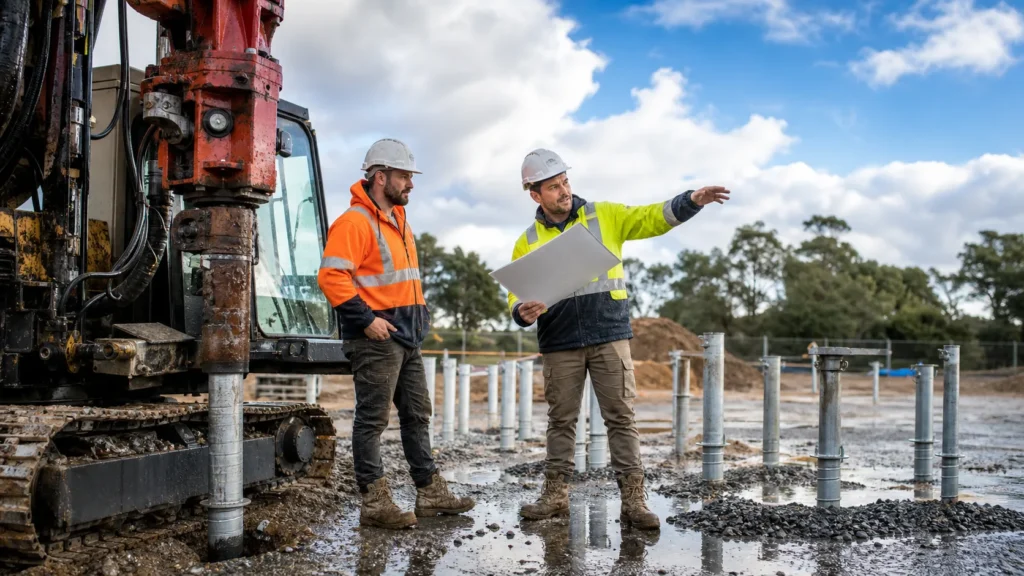
Screw piles work in a pretty simple way. A steel shaft with one or more helical plates is rotated into the ground using a hydraulic drive. The helix plates cut in like a big screw and carry load down into stronger layers, well below any soft fill or unstable surface soil.
On sloping sites, that means we can:
- Bypass loose topsoil and fill and lock into deeper, stable strata
- Avoid cutting large benches just to get level footing trenches
- Reduce spoil, truck movements, and cleaning up slumped batters
- Work close to existing buildings, fences, or services with less disturbance
Instead of carving a big flat pad into the hill, we can often support:
- Split-level slabs, stepping piles down the slope
- Framed floors sitting on screw pile caps
- Retaining walls with piles acting as the structural support behind the wall
On steep blocks around Sydney, this approach has helped teams avoid major cuts into the upslope, limit the size of retaining walls, and keep the ground profile closer to natural. That often means fewer surprises and less stress once the build gets out of the ground.
Speed, Access and Wet-Weather Wins for Busy Builders
For builders and developers, foundations are not just about structural performance. Time, access, and inspection risk matter just as much on a live program.
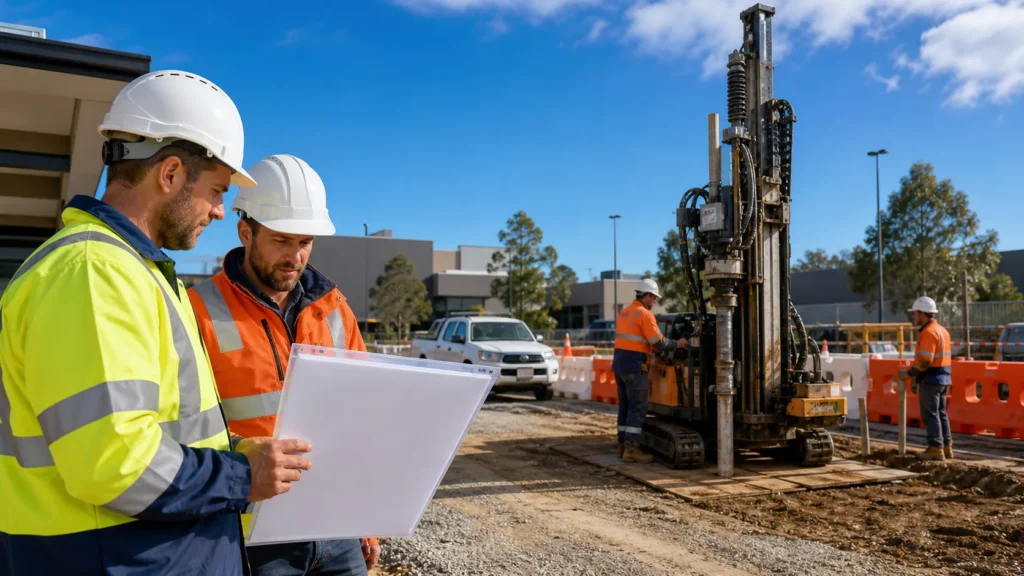
Screw piling is usually fast. A small crew with a compact excavator or skid steer can install a lot of piles in a day, often with capacity checks carried out as we go. That helps keep the job moving, especially when other trades are fighting the slope or waiting on dry weather.
Access is where screw piles really help on tight Sydney blocks. We can often:
- Work down narrow side passages or shared driveways
- Set up on benched pads partway down the slope
- Install piles from the street or upper level, driving down the hill
- Avoid bringing in heavy, tall rigs that cannot reach the rear of the site
Wet weather is another big difference. Screw piles do not rely on open trenches or big concrete pours into exposed batters. If the surface is a bit wet but still trafficable, piling can often continue, while traditional footing work would be stopped or delayed waiting for the ground to dry and inspectors to sign off revised trench depths.
For busy builders trying to keep carpenters and other trades sequenced, being able to lock in foundation dates and stick to them makes a big difference.
Smarter Design for Foundations on Sloping Sites
Good outcomes on slopes start on paper, long before the excavator turns up. The more information the engineer has about the actual site, the tighter the design can be.
Early geotechnical testing that considers the slope, not just a flat pad location, helps pick up:
- Where fill starts and finishes
- Depth to rock and how variable it is
- Any signs of past slipping or water movement
With this information, screw piles can be integrated into common building forms such as:
- Split-level slabs that step down with the fall
- Pole-style homes with elevated floors and open undercroft areas
- Decks and outdoor spaces that project out over the slope
- Basement levels cut into the upslope with piled retaining walls along the downslope edge
Because each pile is checked as it goes in, capacities are more predictable than guessing how deep strip footings will need to go in mixed ground. That means:
- Less allowance for mystery rock or rubbish
- Fewer surprises once work starts on site
- An easier time keeping the structural design aligned with the real conditions under the building
For architects and designers, allowing for screw piles early can also open up options, like lighter framed construction that still feels solid underfoot, even on a sharp fall.
When to Call in Screw Piling on a Sloping Block
Not every slope needs screw piles, but there are clear warning signs that they are worth a serious look. You might want piling advice early if:
- The site has a steep fall from front to back or side to side
- There is obvious uncontrolled fill, old retaining walls, or buried rubble
- Boundary setbacks are tight and you cannot comfortably cut big benches
- Access for larger excavation gear is limited
- The program is tight and heading into a season where rain is likely
The best next step is usually to pull together whatever you already have, such as plans, contour surveys, and any soil reports. With that, a piling engineer can talk through options, rough pile layouts, and how screw piles might tie into the overall foundation scheme.
At Screw Piling, we work with builders, designers, and homeowners across Sydney and NSW on sloping and tricky blocks. When screw piles are considered from the start, projects are more likely to avoid foundation blowouts, stay closer to budget, and get out of the ground quickly so the rest of the build can run to plan.
Get Started With Your Project Today
If you are planning to build on a slope, we can help you design and install reliable building foundations for sloping sites tailored to your block and project. At Screw Piling, we assess your ground conditions, access and building requirements so your foundations are engineered for long-term stability. Talk to our team today to discuss your site, compare options and lock in a practical solution that keeps your build on time and on budget.