Build a Deck That Will Not Fight Your Soil
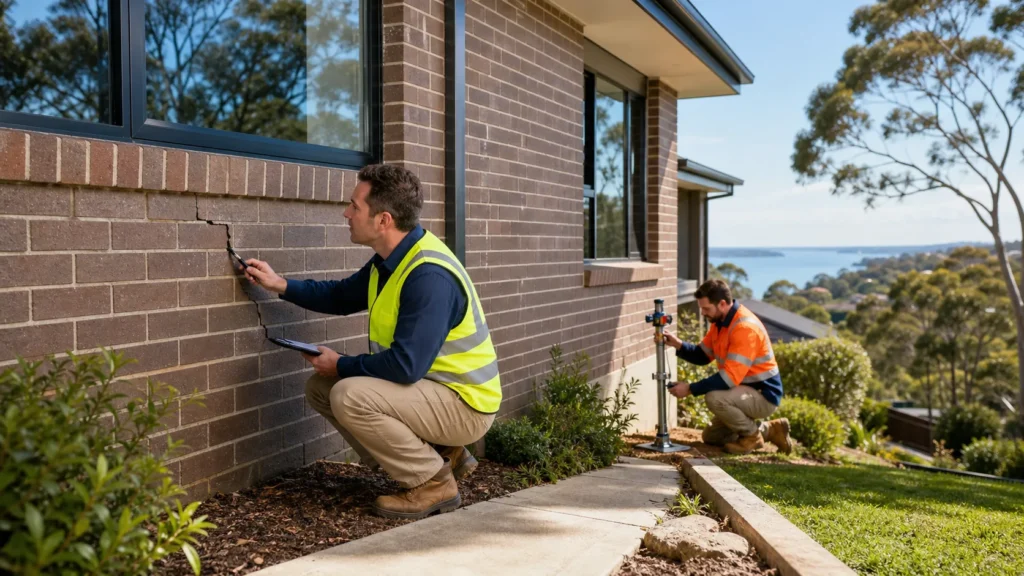
Decks are going up everywhere across Sydney and NSW, from small courtyards to big alfresco areas off the back of the house. But on reactive clay or sloping sites, many of those decks start to move, crack and twist long before they should. Builders get callbacks, homeowners get frustrated, and everyone blames the timber, when a lot of the trouble starts in the ground.
Reactive clay is simply soil that swells when it gets wet and shrinks when it dries. In a light structure like a deck, that movement shows up fast. The good news is you are not stuck with guesswork and hope. Screw piles for decks are one of the practical tools that designers, builders and owners can use to get reliable support, without blowing the program or tearing the backyard apart.
Reactive clay matters because it does not move evenly. One part of the yard might stay firm, another area might soak up more water from a garden bed or a leaking pipe and swell more. Under a deck, that means some supports rise, others settle and the structure starts to distort. Timber and fixings can only take so much before things go out of shape.
Screw piles give you a way to bypass that unpredictable zone. Instead of relying on shallow concrete or posts sitting in shoes on moving ground, you screw down to stable material below the active clay. That gives each support point a consistent footing, so the deck frame can do its job properly.
What Reactive Clay Does to Your Deck Over Time
On reactive sites, the problems usually do not show up on day one. They creep in as the seasons roll through. Common signs include:
- Uneven or bouncy areas in the deck
- Sliding doors to alfresco areas starting to jam or rub
- Handrails and balustrades going out of level
- Water ponding on boards after rain instead of draining off
In Sydney and NSW, we tend to get wet periods with storms and then stretches of drier weather. Every wet cycle, the clay takes up moisture and swells. Every dry spell, it shrinks back. That constant swelling and shrinking pushes up on some deck supports and lets others drop, placing stress on posts, bearers and connections.
Different foundation types behave very differently under these conditions. Decks on shallow footings or treated pine posts in dyna-bolted shoes often follow the ground. When the clay heaves, the post or footing moves with it. You see tilting, cracked paving around posts and brackets pulling at fixings.
Bored concrete piers can be more stable, but only if they go deep enough below the active zone and if the excavation and pour are done carefully in good conditions. On sticky clay, holes can cave in or fill with water, and it is easy to end up with soft material under the pier or a necked, irregular shape that does not perform as planned.
Comparing Common Deck Foundation Options
There are a few main ways decks are commonly supported, each with pros and cons on reactive clay:
- Shallow post holes with concrete
- Concrete strip footings
- Bored piers with posts on top
- Screw piles for decks
On a reactive site, shallow post holes are usually the first to move. They sit right in the active clay, so they rise and fall with every season. Strip footings can spread the load a bit, but if they are not deep enough or cross areas of different fill, you can still get cracking and differential movement along the length of the footing.
Bored piers are a step up, as you can take them down to firmer ground. But they come with a few headaches that every builder knows:
- Lots of hand digging or heavy augers in sticky clay
- Weather delays if holes fill with water or collapse
- Waiting on concrete trucks or mix on site
- Inspection timings and access issues for tight backyards
Screw piles deal with most of those issues by going in with minimal excavation and no concrete curing time. That does not mean they are right for every job. On sandier soils or low decks close to the ground on stable sites, traditional footing methods can work fine. It is when you hit deep fill, steep or cut-and-fill blocks, or patches of dark, shrink-swell soil that they start to struggle.
When Screw Piles Make Sense Under a Deck
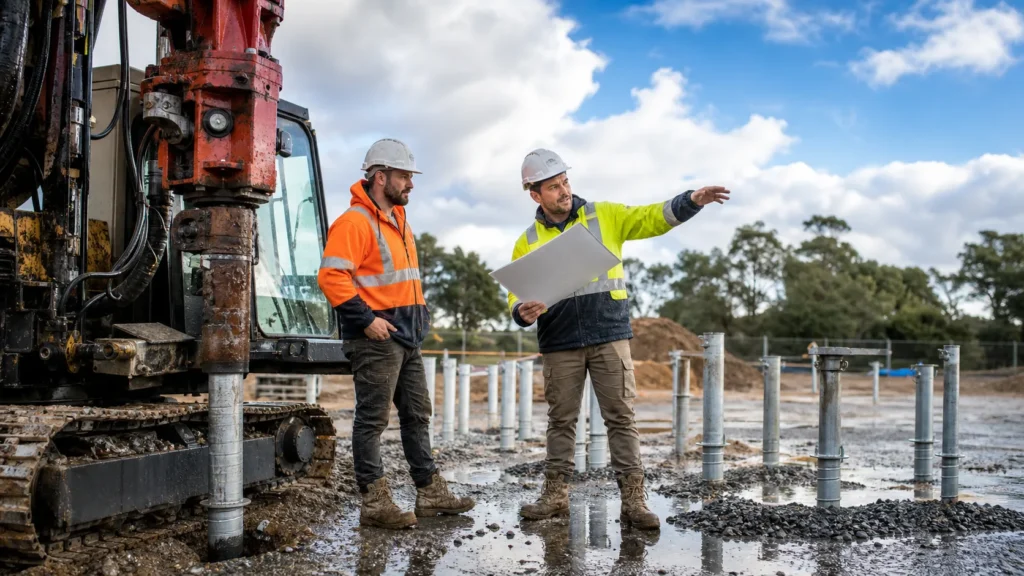
A screw pile is a steel shaft with helical plates near the tip. It is literally screwed into the ground using hydraulic torque until it hits the required capacity or a target depth. The aim is to get below the active clay zone into more stable strata, so the pile is bearing on reliable material rather than shrink-swell soil.
In Sydney and across NSW, screw piles for decks often make sense in situations like:
- Highly reactive clay sites, including class H1, H2, E or P
- Knock-down rebuild blocks with lots of imported fill
- Tight access laneways or narrow side paths where machines and concrete trucks struggle
- Decks built close to existing house slabs, pools or services where you want controlled, low-vibration installation
In winter jobs, when clay is wet and messy, the practical advantages really stand out. With screw piles you usually have:
- Almost no spoil to remove compared to big pier holes
- Less mess in established gardens and lawn areas
- Faster installation than hand digging or waiting for a dry window to pour concrete
- Less weather risk, because you are not relying on open holes and wet concrete on a saturated site
For builders trying to keep a program moving through the wetter months, those points can make the difference between a simple install and a long, stop-start footing phase.
Design and Installation Tips for Screw-Piled Decks
Getting screw piles right starts at the design stage. The first step is usually to involve an engineer who understands local soil conditions and deck loading. They can confirm:
- Pile size and type
- Depth or torque requirements
- Pile spacing to match bearer and joist layouts
- Connection details for timber or steel framing
It also helps if deck designers or architects think about foundation lines early, so piles, bearers and posts all line up cleanly. That makes installation smoother on site and avoids awkward offsets or extra steel.
On a typical residential deck project, the screw pile process looks like this:
- Set-out of pile locations based on the engineered plan
- Installation of piles with torque monitored to confirm capacity
- Cutting off piles to finished level
- Fixing head brackets or caps that tie neatly into the deck frame
Practical on-site tips include coordinating with plumbers and sparkies before pile day so services are located and marked. This is especially important around pools, existing slabs or along side paths where gas, water or power might be shallow.
Access is another key point. Even though screw piling rigs are often compact, it is worth planning:
- Entry points through side gates or garages
- Temporary protection for paving or exposed services
- Working space around the house, fences and trees
You also need to keep an eye on minimum ground clearances to timber framing and any planning height limits, especially on elevated decks that overlook neighbours.
Plan Your Next Deck to Handle Clay, Not Fight It
The best time to think about reactive soil is before a single post goes in. Once a deck starts to move, fixing it is almost always more painful than planning for movement from the start. Builders, designers and homeowners are far better off treating the ground as part of the structure, not an afterthought.
A simple process that works well on reactive sites is:
- Get the soil classified so you know what you are dealing with
- Have a quick chat with an engineer or piling contractor about foundation options
- Compare the real program and risk of traditional footings against screw piles for decks, especially on clay, fill or sloping blocks
For projects across Sydney and NSW where soil movement, access or timing are a concern, screw piles are worth putting on the table next to the usual footing options. Used in the right spots and designed properly, they can help you build a deck that works with the ground instead of fighting it year after year.
Build A Stronger, Longer-Lasting Deck Foundation Today
If you are planning a new deck or upgrading an existing one, we can help you create a solid, reliable foundation that stands up to Australian conditions. Our screw piles for decks are engineered for stability, speed of installation and minimal site disruption. At Screw Piling, we work closely with you and your builder to deliver a tailored solution that suits your soil, design and budget. Get in touch with our team to discuss your project and lock in a start date that works for you.