Building Better Commercial Projects From the Ground Up
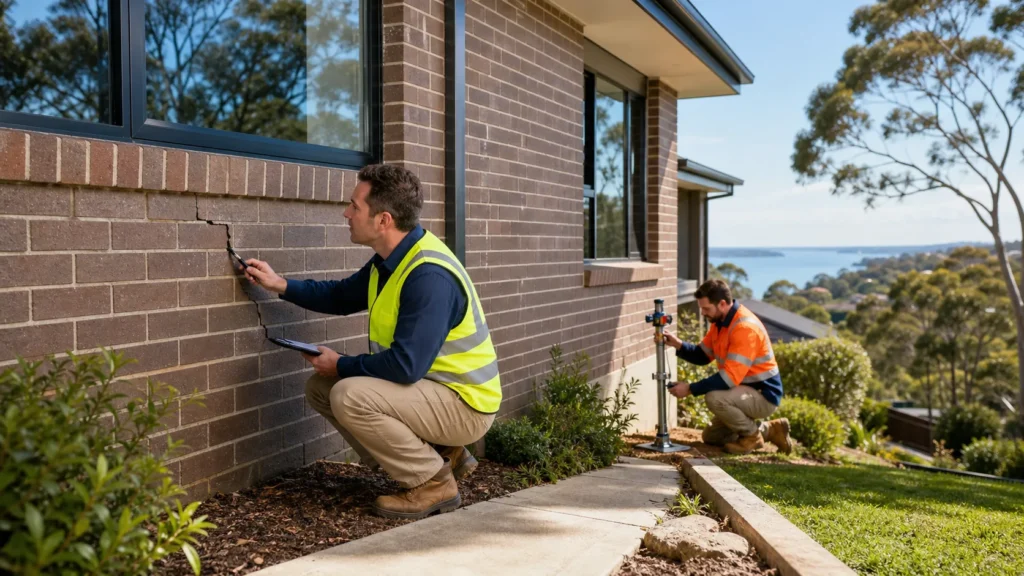
Good commercial builds are won or lost in the ground. Programs blow out when rain hits open excavations, when clays swell and shrink, or when old fill hides buried rubbish. Across Sydney and NSW, foundations are often the hidden handbrake that turns a neat Gantt chart into a headache.
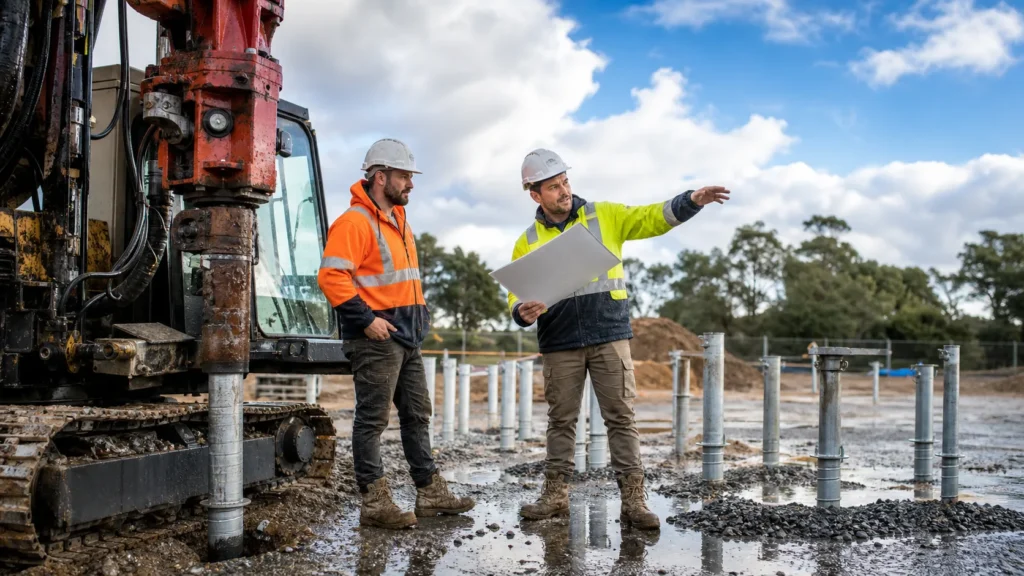
Screw piles change that picture. They are steel piles with helical plates that screw into the ground rather than relying on big open holes or strip footings. They are now common on schools, warehouses, mixed-use buildings, aged care and retail, especially where the soil is unreliable.
For builders and developers, the big wins are speed, cost certainty, smaller crews, less excavation and a more predictable result in reactive clays, fill and coastal sands. In this article we share practical ways to design commercial projects around screw pile foundations so the build runs smoother and there are fewer surprises on site.
When Screw Piles Make Sense on Commercial Jobs
Commercial screw piling services come into their own when the ground or the program is working against you. Some common triggers are:
- Poor or highly variable ground across the site
- Tight timelines where rain delays are a real risk
- Restricted access on inner-city or infill blocks
- Extensions or refurbishments on existing structures
Compared with bored piers and strip footings, screw piles often shine in real NSW conditions. For example:
- Wet winter in Western Sydney clay: bored pier holes can fill with water or collapse, while screw piles are installed with minimal open excavation.
- Basement car parks in deep fill: instead of over-excavating and replacing poor fill, screw piles can punch through into competent material.
- Coastal builds around Newcastle or Wollongong: loose sands and a high water table can be tricky for open holes, but screw piles can be advanced with much less dewatering.
From a risk and program point of view, screw piles help keep foundations moving when:
- Weather makes open excavations unreliable
- Big piling rigs cannot get in or would block site access
- Bulk spoil removal is hard to manage in narrow streets or live facilities
The key is early talk between the structural engineer, builder and piling contractor. Up front you want to confirm:
- Design loads and required capacities
- Pile spacing and grid layout
- How piles will tie into slabs, pile caps and ground beams
That early input can save a lot of redesign later.
Designing Slabs, Frames and Services Around Screw Piles
Once screw piles are on the table, the slab and frame should be designed to suit them rather than the other way around. Pile layouts drive how the slab is set out.
Things to lock in early include:
- Pile grid spacing and edge offsets
- Areas needing pile caps or ground beams
- Edge thickening where walls or facades sit on piles
When load paths are thought through from the start, everything flows better. Column locations, portal frames, tilt-up panels and facade systems should land neatly on pile groups. This avoids awkward transfer beams, extra steelwork and surprises during shop drawing stage.
On the services side, coordination is just as important. You want to plan:
- Conduit runs for power and data, especially in car parks and plant rooms
- Fire mains and hydrant lines so they do not clash with key pile positions
- Stormwater lines, pits and OSD tanks in relation to ground beams and caps
On tight commercial plant rooms and basements, it pays to overlay piles with services early so nothing clashes with major penetrations or risers.
Detailing also matters. Typical areas to think through are:
- Starter bars from pile caps into slabs and beams
- Hold-down bolts for steel columns bearing on piles
- Connection details for precast panels and structural steel
- Allowance for future mezzanines, solar or plant upgrades by using reserve capacity in the screw pile design where practical
Good detailing up front means fewer RFIs and less rework once steel fixers and formworkers are already on site.
Managing Ground Conditions, Testing and Compliance
A well-run screw pile job starts with understanding the ground. The usual process looks like this:
- Geotechnical investigation to identify soil profiles, rock and groundwater
- Preliminary screw pile design based on loads and geotech data
- Onsite test piles to check installation torque and confirm design assumptions
- Verification during installation with recorded torque, depths and any variations
NSW projects often face tricky conditions such as:
- Deep fill on old industrial or commercial sites
- Reactive clays in South West Sydney that shrink and swell with moisture
- Soft alluvial soils along river corridors and low-lying areas
Commercial screw piling services respond to this by adjusting helix sizes, pile lengths and corrosion allowances so the piles can reach suitable founding material and meet design life requirements.
Quality assurance and compliance are a big part of commercial work. Typical checks and records include:
- Load testing on selected piles
- Torque correlation to confirm capacities during production piling
- As-built pile logs with depths, torque readings and locations
- Engineer sign-off that supports certifiers, financiers and insurers
On site, a few practical issues are worth planning for:
- Managing small amounts of spoil from lead-in excavations or trimming
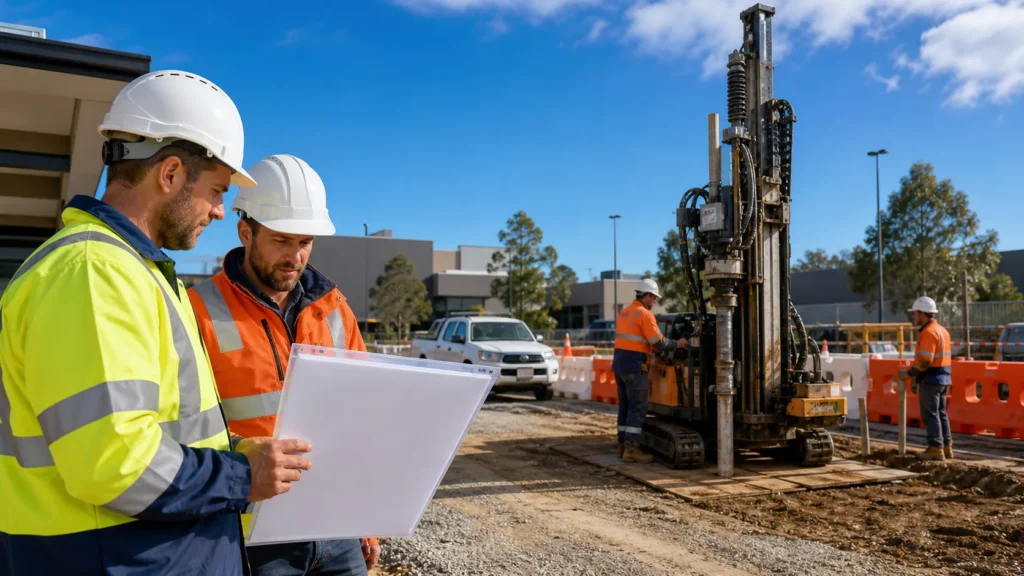
- Keeping noise and vibration low on live campuses, retail centres or aged care
- Staging pile installation so other trades, like plumbers or electricians, can keep working around the piling areas
Good planning here keeps everyone moving instead of stopping the whole site while piles go in.
Program, Budget and Site Logistics in Real Projects
From a program point of view, screw piles can tighten the front end of a job. They often:
- Shorten the foundation phase
- Reduce weather downtime during wet periods
- Allow faster handover to concreters and steel fixers
On budget, screw piles are not always the cheapest line on the footing schedule, but the overall build can come out ahead once you factor in:
- Less excavation and backfill
- Fewer truck movements for spoil and imported fill
- Reduced dewatering on wet or high water table sites
- Lower contingency for unknown ground issues
Site logistics are another big plus. Screw piles can often be installed with smaller rigs that suit:
- Tight CBD laneways and rear access lots
- Suburban shopfronts with limited frontage
- Under existing awnings or canopies with limited headroom
- Live operations in schools, aged care and retail where disruption must be kept low
Common types of projects where this approach works well include:
- Warehouse extensions on reactive clay where you need to match floor levels and keep the existing building active
- Regional childcare or health centres built over old fill and buried rubbish, where stripping it all out would be slow and messy
- Coastal commercial builds where screw piles can avoid heavy dewatering and shoring for open excavations
Planning for screw piles at design stage rather than as a late fix helps you get these benefits without blowing up the drawings halfway through.
Turning Screw Pile Design Into a Smoother Build
Designing commercial projects around screw pile foundations gives you a more predictable job. You get fewer ground surprises, tighter programs, safer sites with less open excavation, and more control over costs.
The biggest gains come when piling specialists are involved early, ideally at concept or DA stage. With good geotech information, preliminary plans and ballpark load estimates on the table, the structural engineer and piling contractor can shape practical options for the footing system, slab design and frame layout that suit the site and the program.
At Screw Piling, we see screw piles as one more tool in the kit for NSW builders, architects and developers. Used the right way, they help your foundations keep pace with modern construction timeframes and the real ground conditions you are building in, instead of holding the whole job back.
Get Started With Your Project Today
If you are planning a new build or upgrade and need reliable foundations, we can help you design and deliver the right solution from day one. Explore our commercial screw piling services to see how we support projects of all sizes with efficient, compliant installations. At Screw Piling, we work closely with your engineers and builders to keep your program on time and on budget. Reach out to our team to discuss your site conditions and get practical advice tailored to your project.