Protecting Neighbours and Streetscapes on Screw Pile Jobs
On a tight Sydney block, the neighbours, the kerb and the old services out front can be just as important as the house you are building. When you bring in machines, trucks and steel piles onto a narrow residential street, you need a clear plan so the work stays safe, tidy and low impact.
Residential screw piling gives a strong foundation solution on poor soils, steep sites, waterfronts and knockdown rebuilds, without the heavy hammering of driven piles or big excavations of bored piers. That makes it a great fit across Sydney and regional NSW, especially in older suburbs with fragile structures and ageing services. To get the full benefit, we like to lock in a Neighbour & Streetscape Protection Plan before the rig turns a single pile.
This plan covers how we manage pedestrians, traffic control, vibration and noise expectations, and how we protect driveways, kerbs and underground services. In winter, when the ground is wetter, the days are shorter and surfaces get slippery, this planning matters even more, because access, sediment control and street safety can turn quickly if you are not ready.
Planning a Low‑Impact Residential Screw Piling Site
Good screw piling work starts with a proper look at the site and the street, not just the drawings. We walk the frontage and the surrounds to understand how the job will actually run on the day.
Key checks in a site-specific risk assessment include:
- Access widths for the piling rig and trucks
- School zones, bus routes and regular on-street parking
- Overhead lines, street and yard trees, pits and service markers
- Neighbour driveways and common entry points
We also review DA or CDC conditions, plus any council or Transport for NSW requirements about piling, traffic management, hours of work and noise. Then we flag sensitive receivers like people working from home, childcare centres, aged care and heritage streetscapes where even small changes are noticed.
Before any machine arrives, communication is just as important as the risk assessment. That usually includes:
- Letterbox drops or emails to immediate neighbours with dates, work hours and contact details
- A simple explanation of what residential screw piling involves and how it differs from loud driven piling
- Rough truck and delivery timing, so neighbours know when to expect movement
We then agree on documentation and responsibilities with the builder. The Neighbour & Streetscape Protection Plan should sit inside the Construction Management Plan, spelling out who handles:
- Traffic control and pedestrian gear
- Pre-start condition photos and videos
- Any notifications to council or neighbours
We also document piling methodology, plant and sequence so everyone understands how many days the street and footpath will be affected and where.
Safe Pedestrian Routes and Traffic Control on Tight Streets
On a residential screw piling job, people often still walk kids to school past the front gate and locals use the street every day. Keeping them safe while rigs and trucks move in and out is non-negotiable.
For pedestrian routes, we aim to:
- Maintain continuous, clear access past the site wherever possible
- Use cones, barriers, mesh fencing and signage to separate plant from the public
- Provide temporary ramps over hoses, cables or minor level changes
Corner blocks, sloping verges and wet winter conditions need extra care. Firm walking surfaces, non-slip mats and tidy hose routing reduce the risk of slips and trips on cold, damp mornings.
Traffic control depends on the street. On quiet local roads you may only need spotters and simple signage. On busier streets, bus routes or where we reduce a lane or reverse trucks out, you generally need a formal Traffic Control Plan and qualified traffic controllers with stop/slow bats and advance warning signs. We plan truck arrivals to avoid peak school and commuter times and do our best to stop trucks queuing across neighbour driveways.
To limit impact on the street:
- Nominate a loading and unloading zone with safe sightlines
- Keep the rig, excavators and steel within the boundary when you can, not on the nature strip
- Brief drivers on low power lines, soft verges, tight turns and tree branches so they are not guessing on arrival
Thoughtful planning here keeps traffic flowing and the neighbours calmer on piling day.
Vibration and Noise Expectations on Screw Pile Jobs
One of the big reasons people choose residential screw piling in NSW is the lower vibration compared to driven piles. Screw piles are installed by rotating them into the ground with controlled torque. There is no impact hammering, so the vibration is generally low and localised. That is good news around older brick fences, inner west terraces, timber cottages on piers and older sewer lines that do not like hard hits.
Noise is still present, but it is different to what many neighbours fear. Typical sounds on a screw piling job are:
- The engine of the piling rig and support plant
- The rotation and torque head as piles are installed
- Reversing beepers and truck movements
- General site voices and short cutting or welding tasks
We set clear work hours in line with council rules, usually standard construction hours on weekdays and reduced hours on Saturdays. Sticking to these builds trust with neighbours, especially on tight streets where sound carries. Toolbox talks before work remind crews to avoid unnecessary revving, keep radios off or low, and shut machines down in longer breaks.
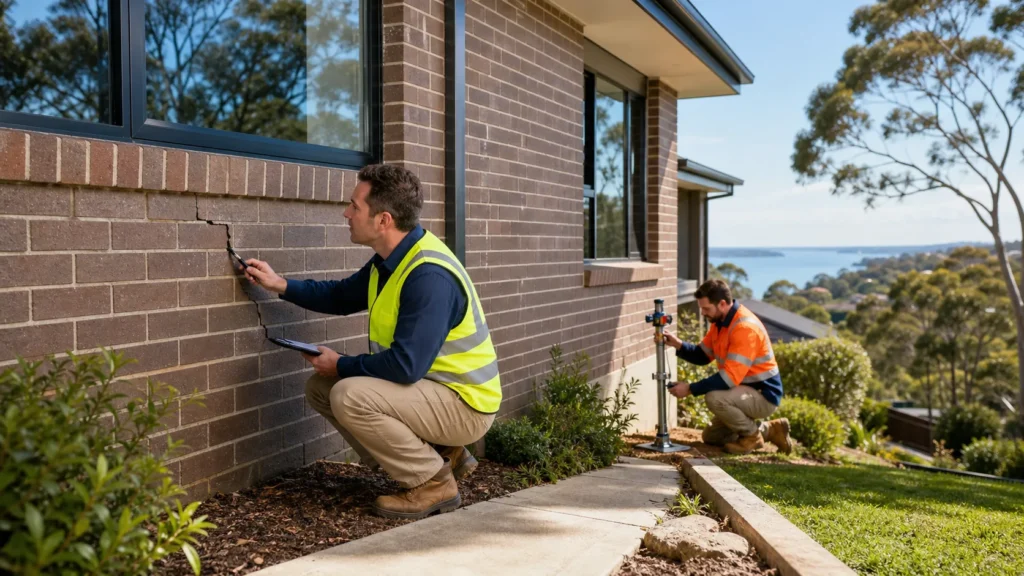
For very sensitive projects, we may suggest simple crack surveys on nearby structures or basic vibration checks. Keeping a log of neighbour contact, with a single point of contact on the day, makes it easy to respond calmly if someone raises a concern. If a neighbour worries about new cracks or movement, pausing briefly to inspect and document the area can prevent a small concern becoming a big dispute.
Protecting Driveways, Kerbs, Services and Streetscapes
Older Sydney and NSW streets often have patched driveways, old kerbs and hidden services that no one has mapped for a long time. Protecting these is a big part of a good Neighbour & Streetscape Protection Plan.
Before work starts, we:
- Photograph and video driveways, crossovers, kerbs, nature strips, trees, pits and nearby structures
- Note existing cracks, trip hazards and patch repairs
- Share this baseline information with the builder and client
We also confirm service locations with Before You Dig enquiries, survey and service locating where needed. That covers water, gas, sewer, stormwater, power and NBN. A clear picture of service corridors lets us plan pile locations and access routes that avoid them.
During piling, practical protection measures include:
- Load-spreading mats, bog mats or steel plates under tracks or outriggers when crossing driveways or soft verges
- Planned rig paths that avoid tight turns on fragile or decorative concrete
- Temporary barriers around street trees, power poles, hydrants and pits
Spoil and steel should stay off the nature strip so we do not compact roots or damage turf the council cares about. Crews are briefed on no-go zones around sewer mains and stormwater lines in back lanes and front verges. If something does go wrong with a service, the response plan is simple: make the area safe, isolate the service where possible, notify the right authority, and be upfront with the client and council about what happened and the next steps.
Turning Good Planning Into Smoother Residential Projects
A clear Neighbour & Streetscape Protection Plan does not add red tape, it reduces headaches. When builders, designers and homeowners think about access routes, traffic control, vibration, noise and streetscape protection early, screw piling days usually run faster and with far less drama.
For your next residential screw piling project, a simple checklist can help:
- Early chat with neighbours about timing, noise and truck movements
- Traffic and pedestrian plan suited to the actual street conditions
- Agreed work hours and realistic vibration/noise expectations
- Condition photos and service locations confirmed before day one
- Clear responsibilities between builder and piling contractor
At Screw Piling, we see low-impact planning as part of good engineering. Strong, reliable foundations are only half the story, the other half is keeping neighbours safe, protecting the street and delivering a clean, calm piling phase on tight Sydney and NSW sites.
Get Started With Your Project Today
If you are planning a new build or renovation, we can help you design and install the right foundation solution from the ground up. Explore our residential screw piling services to see how we support homes across a wide range of soil conditions. At Screw Piling, we work closely with you and your builder to deliver a safe, efficient and cost-effective result. Reach out to our team to discuss your project and get practical advice tailored to your site.