Avoid Costly Delays on Tight Sydney Sites
Tight Sydney sites can turn a simple slab into a headache. Narrow blocks, neighbours right on the boundary and patchy ground mean the foundations carry a lot of risk for delays and variations if they are not planned properly.
Across Sydney, we are seeing more knockdown rebuilds, duplexes and infill projects on skinny blocks from the Inner West terraces to the Northern Beaches and down through the Shire. On these jobs, there is not much room to move. Access is tight, there are existing structures to protect and the soil can change within a couple of metres. All of this makes the footing stage one of the biggest areas for budget blowouts.
That is why screw piling in Sydney has become a popular option for builders and developers who want a faster, cleaner way to deal with tricky ground on constrained sites. But even screw piles can go wrong if the planning, design and on-site setup are not right. In this article we walk through the common mistakes we see on tight sites and how to avoid them with better investigation, smart design and good coordination between trades.
Misjudging Ground Conditions and Site Constraints
Sydney ground is rarely simple, especially on older properties. Under that old fibro knockdown you might find:
- Mixed fill and rubble from past renos
- Clay lenses that hold water and soften after rain
- Sandstone shelves that stand up your auger
- More reactive soils the further west you go
One common mistake is relying only on a generic geotech report or assuming that what worked next door will be fine for this block. Even on the same street you can hit different depths to rock, different fill thicknesses and very different bearing layers.
On top of soil surprises, access can be tighter than the plans suggest. We often see:
- Narrow driveways and shared laneways
- Low eaves, balconies and awnings that clash with mast heights
- Overhead power and services right where you want to swing a rig
- Existing houses, garages and fences limiting pile positions
To avoid nasty shocks, it helps to:
- Organise a fresh geotech investigation when the site history is unclear or when you are changing the building footprint
- Provide your piling contractor with a current survey, DA set and service plans rather than a rough sketch
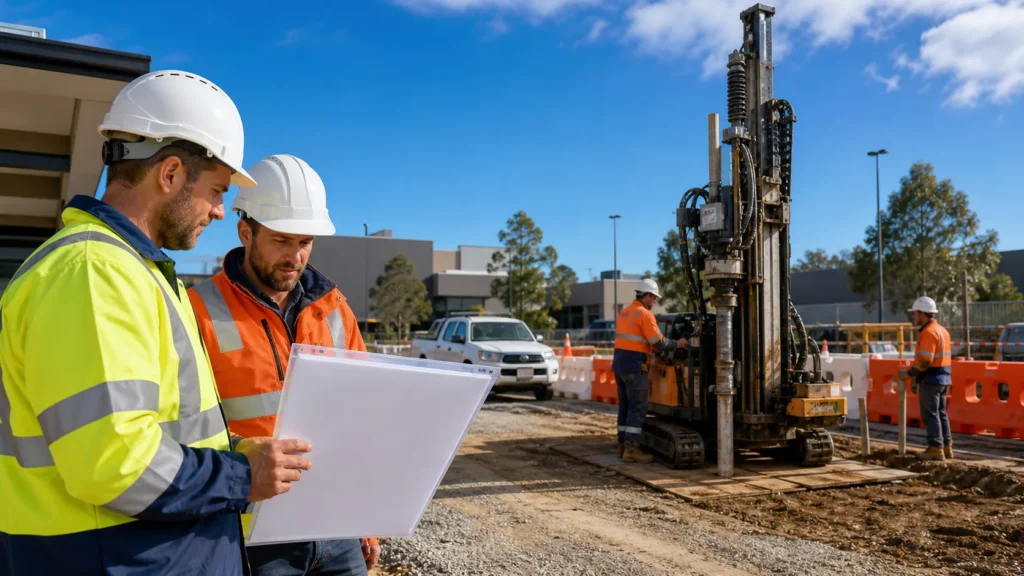
- Lock in a pre-start site walk so everyone can see the real access, overhead issues and neighbour constraints before rigs are booked
That early look often saves days on site because the right machine and method can be chosen from the start.
Using the Wrong Pile Design for the Job
Another trap is treating screw piles as a one-size-fits-all product. On tight Sydney sites, design matters a lot. Common design errors include:
- Specifying generic pile sizes without checking actual loads
- Underestimating the loads on duplexes, terraces and over-garage rooms
- Forgetting to allow for possible future extensions or another storey
On a wide open block you might get away with adding extra piles if something changes. On a narrow terrace with boundaries on both sides, once the neighbours are propped and the frames are up, you are boxed in. There is no easy way to sneak in extra piles or change layouts later.
Engineered options for screw piling in Sydney usually vary by:
- Shaft size and wall thickness
- Number and diameter of helices
- Target depth for different soil types like coastal sands, infill and hard sandstone
Experienced designers will adjust the layout and pile configuration to suit local councils, soil types and building styles, whether it is a duplex in Western Sydney clay or a beach house in lighter sand. The key is getting that design work done upfront, not on the day the rig turns up.
Poor Coordination with Other Trades and Program
Even a good design can come unstuck without proper coordination. On tight sites, clashes between trades are common. We often see:
- Plumbers and sparkies wanting trenches exactly where the piles need to go
- Scaffold legs, site sheds and material stacks blocking rig access paths
- Temporary fencing sitting hard on the line where piles are set out
If survey set-out is rushed or late, piles can end up a few centimetres off-grid. That might not sound like much, but it can throw out slab levels, brick coursing and the location of structural steel, especially on detailed architectural jobs.
Seasonal weather also plays a part. Late summer and early autumn storms can bog conventional excavation and make open footings hard to manage. Screw piles can often keep going through wetter conditions because there is minimal excavation and less spoil to deal with, but only if access is planned ahead.
Practical coordination tips include:
- Booking the survey set-out early and protecting the marks
- Locking a piling window into the program before heavy trenching and scaffold go in
- Briefing plumbers, concreters and steel fixers on pile locations, tolerances and what must stay clear for the rig and crew
A short toolbox talk with all trades before piling starts can prevent a lot of finger pointing later.
Cutting Corners on Quality, Access, and Setup
Tight infill jobs often run on slim margins, so there can be pressure to pick the cheapest piling quote or to skip testing and paperwork. This is risky. Key quality checks on screw piles include:
- Monitoring installation torque to confirm capacity
- Keeping clear installation logs for each pile
- Carrying out proof testing where the engineer calls for it
- Producing as-built records that match the design
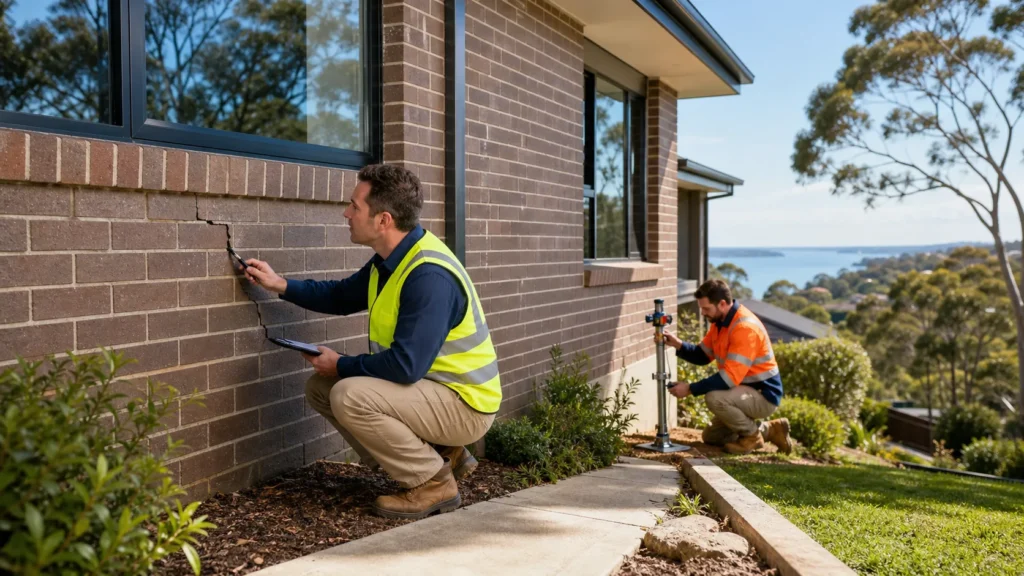
If these steps are rushed or not documented, you can hit problems with council sign-off, certifiers, lenders or future buyers. Movement or cracking later is far more painful to deal with than doing the paperwork right the first time.
Access and setup are just as important to get right. Common oversights are:
- No clear path for the rig from the street to the pile line
- Spoil, pallets and steel stored exactly where the rig must work
- Assuming a big excavator-mounted rig will fit down a 2.6 metre driveway with eaves and services
Using the right machine size, mast height and attachments can make all the difference on:
- Laneway access jobs
- Under-house lifts and undercroft works
- Sloping blocks that need clever positioning
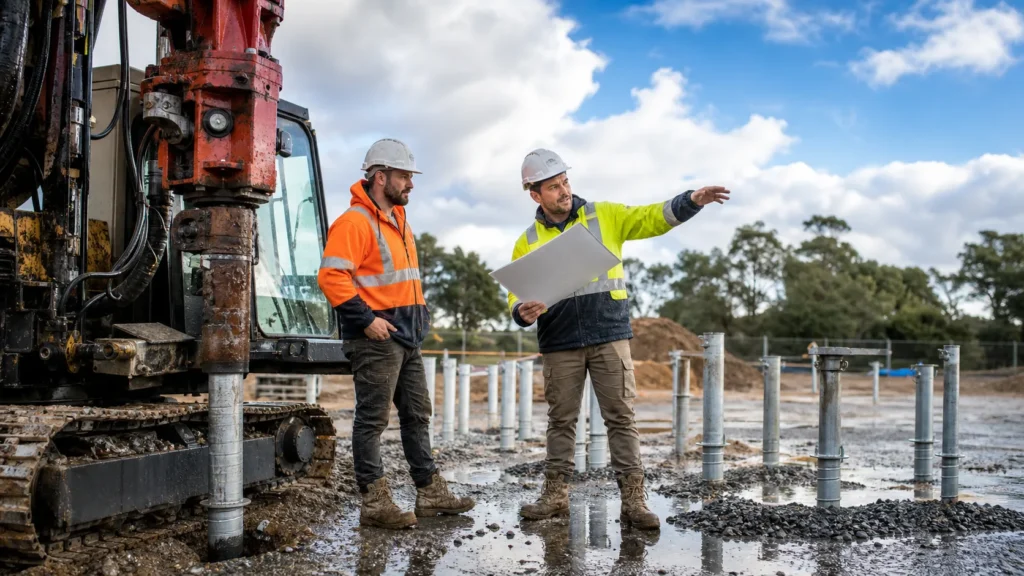
Well-planned screw piling is particularly helpful on tight urban blocks because it needs minimal excavation, creates less spoil to cart away, produces lower vibration for attached terraces and lets the slab crew start sooner with a cleaner site. In some Sydney terrace and semi projects, early planning has allowed piles to be installed before full demolition or while structural props are in place, saving time and reducing risk to adjoining buildings.
Plan Your Next Tight Site Before You Break Ground
When you step back, most screw piling issues on tight Sydney sites come from the same set of mistakes: poor ground assessment, generic pile designs, weak coordination with other trades, quality shortcuts and underestimating how tricky tight access can be.
Early engagement with an experienced screw piling team helps control these risks, tighten your program and give you more predictable footing outcomes. Before your next job starts, it is worth reviewing your upcoming projects and flagging any narrow access, steep slopes, mixed fill or uncertain soil conditions so they can be designed for properly from day one.
Get Started With Your Project Today
If you are planning a new build or need reliable foundations for a tricky site, our team at Screw Piling is ready to help. Talk to us about your project requirements and we will recommend the most efficient, compliant solution for your soil and site conditions. Find out how our specialist screw piling in Sydney can support your timelines, budget and structural needs, and get your project moving with confidence.