Approvals Are Won or Lost After Installation
Most screw piling delays don’t happen during installation.
They happen after, when builders are waiting on sign-off and someone asks:
- “Where are the as-built records?”
- “Do we have depths for every pile?”
- “What documentation supports this design?”
For certifiers and engineers, the footing system is only as good as the paper trail that proves it was installed correctly.
This article explains, in builder-first terms, what documentation you should receive after screw pile installation and why each item matters.
Why Documentation Matters More Than the Pile Type
From a compliance perspective, certifiers are managing risk.
They don’t assess whether screw piles are a good idea—they assess whether:
- The system was engineered
- The system was installed as designed
- There is evidence to support both
Incomplete or unclear documentation creates uncertainty, and uncertainty slows approvals.
The Typical Documentation Package (What Builders Should Expect)
While the exact scope varies by project, a compliant screw piling handover typically includes the following.
1. Installation Records (Critical)
Installation records usually show:
- Pile reference or number
- Location on site
- Installed depth
- Pile type and size
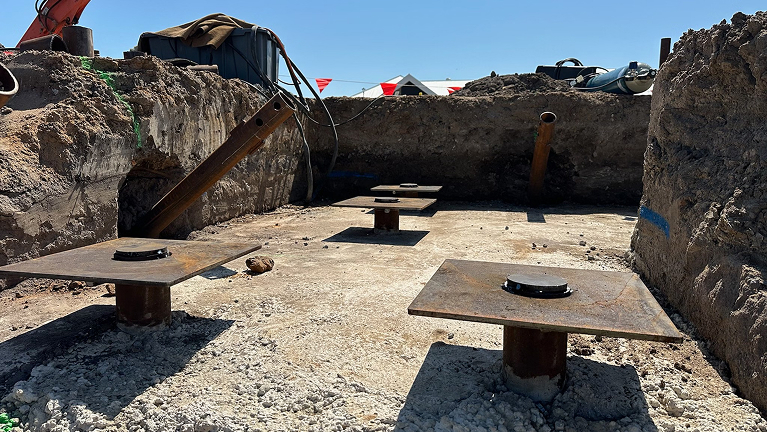
These records confirm that piles were installed where and how the engineer intended.
Missing or vague records are one of the most common causes of approval delays.
2. As-Built Information
As-built documentation confirms what was actually installed, not just what was designed.
This may include:
- Updated pile locations
- Depth variations across the site
- Notes on site conditions encountered
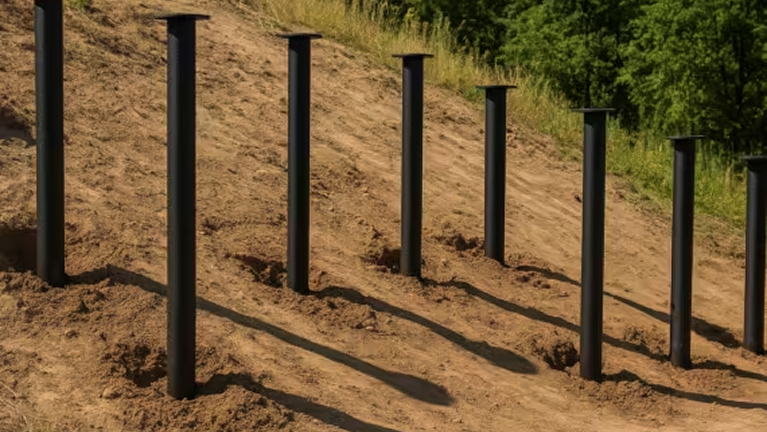
As-builts are particularly important on sites with variable ground or slopes.
3. Pile Specifications and Materials
Certifiers and engineers often require confirmation of:
- Steel grade
- Pile diameter and helix configuration
- Protective coatings or galvanising
This is especially important on coastal or aggressive soil sites where corrosion allowances apply.
4. Installation Photos
Photos taken:
- Before installation
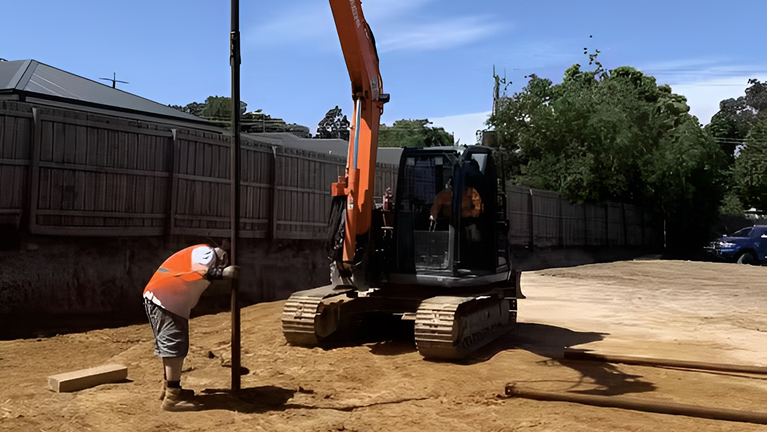
- During installation
- After completion
Help demonstrate:
- Correct pile positioning
- Site conditions
- General workmanship
Photos are not a substitute for records—but they support them
5. Engineer-Referenced Design Documentation
Documentation should clearly reference:
- The approved engineering design
- Relevant pile schedules
- Applicable standards (such as AS 2159)
This creates a direct link between design intent and site execution.
What This Documentation Does NOT Replace
It’s important to be clear about roles.
Installer documentation does not replace:
- Structural engineering design
- Geotechnical reports
- Certifier approval or inspection
Each document plays a specific role in the compliance chain.
Common Documentation Gaps That Delay Approvals
Certifiers frequently flag issues such as:
- Missing pile numbers or locations
- Depths recorded inconsistently
- No confirmation of materials
- Records submitted late or in fragments
Most of these issues are avoidable with clear expectations set before installation.
How Builders Can Prevent Documentation Delays
Experienced builders typically:
- Confirm documentation scope before work starts
- Ensure engineering is finalised prior to installation
- Request records promptly after installation
Treat documentation as part of the footing scope—not an afterthought.
Key Takeaways for Builders (Featured Snippet Ready)
- Documentation is essential for certification and approvals
- Installation records and as-builts are critical
- Material details matter, especially in coastal NSW
- Clear records reduce certifier risk and speed up sign-off
- Early coordination prevents last-minute delays
Frequently Asked Questions
Is screw piling documentation mandatory?
Yes. Without records, certifiers cannot sign off.
Who provides the documentation?
Installers provide installation records; engineers certify the design.
When should documentation be requested?
Before installation begins, not after issues arise.
Does this replace an engineer’s inspection?
No. Documentation supports inspections—it doesn’t replace them.