Beat Wet Weather Delays With Smarter Foundations
Foundation work around Sydney and across NSW can quickly blow out a programme. Wet weeks, reactive clays, sloping sites and tight access all make it harder to get out of the ground. Clients still want keys as soon as possible, so the footing system you choose has a big impact on the whole build.
On many jobs, it’s not framing or roofing that slows everything down, it’s waiting on holes, concrete, inspections and weather. This is especially true on small infill blocks, knockdown rebuilds and rear extensions where you’re working close to neighbours and access is tight. When the ground is soft or saturated, the risk of collapsed holes and rework goes up fast.
For a lot of Sydney projects, the real question is not just “what does the engineer usually specify”, but “should we be using screw piles instead of bored piers here”. That choice affects cost on site, speed, noise, neighbour complaints and how you handle tricky soil. Below, we’ll walk through how screw piling in Sydney compares to bored piers so you can see where each system makes sense.
How Screw Piles And Bored Piers Actually Work
Most people in the industry know bored piers well. You mark out, bring in a drill rig or auger, and drill a series of holes down to the design depth. The crew cleans out loose spoil, drops in reinforcement cages, then lines up concrete trucks or a line pump to pour the piers. After that you’re waiting on concrete to gain strength before loading up with slabs, beams or frames.
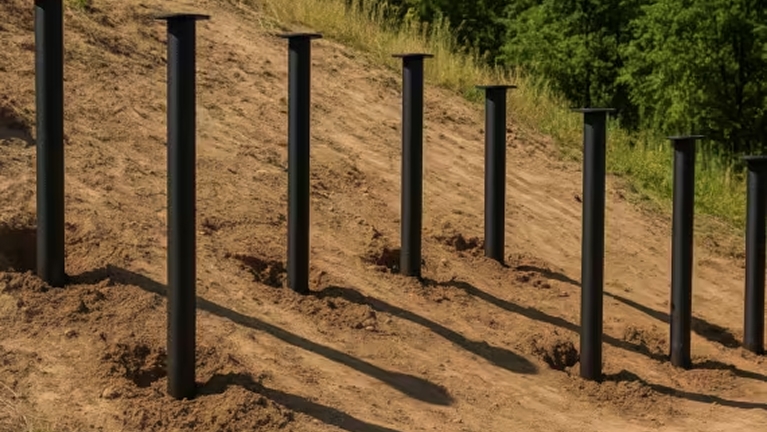
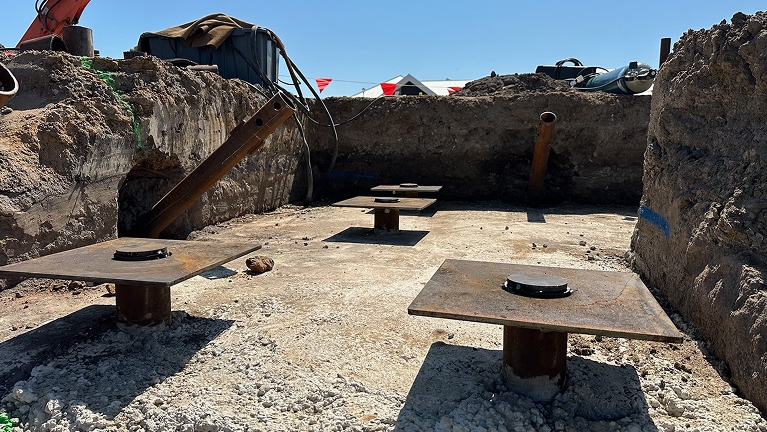
Screw piles work in a different way. They’re steel piles with helical plates welded along the shaft. A hydraulic drive head on an excavator or small rig rotates the pile into the ground, like a screw into timber, until it reaches the required depth or torque. That torque reading gives direct feedback on capacity. Once installed, the heads are cut to level and connected to beams, slabs or brackets as per the engineer’s design.
In common Sydney ground conditions, each system behaves differently:
- Western Sydney clays: Bored piers can be affected by shrink and swell, especially if holes sit open in wet weather. Screw piles can be taken deeper to more stable layers, with minimal excavation and no need to hold open clean holes.
- Northern suburbs sandstone: Bored piers may need rock augers and heavier gear. Screw piles may need pre-drilling or different tips to get into or through rock, but can still be installed on tight or sloping sites with smaller machines.
- Harbour and inner areas with fill: Bored piers through variable fill can be messy and unpredictable, with slumping sides. Screw piles let you chase through fill into natural ground without changing the whole footing concept and without large open excavations.
Both systems should be based on a geotech report and engineering sign-off in line with the NCC and relevant Australian Standards. With screw piles, sizes and helix configurations can be prefabricated to suit your soil profile and loads, which helps keep installation consistent across the site.
Cost On Site, Not Just On Paper
When people compare bored piers to screw piles, they often look only at line items: concrete, steel, drilling, piles. The reality on Sydney jobs is that hidden costs around logistics and delays can outweigh any difference in basic materials.
Typical cost drivers for bored piers include:
- Spoil removal from tight sites, often needing small trucks or multiple trips
- Concrete minimum charges and waiting time if the crew is not ready
- Extra labour to clean out collapsed or waterlogged holes after rain
- Standby costs when access or traffic holds up concrete trucks
Screw piling in Sydney changes where the money goes. You’re paying for steel piles and a piling rig with an experienced crew, but you’re often saving on:
- Bulk excavation and spoil carting, as there are no big open holes
- Multiple concrete truck movements through narrow streets
- Rework when actual ground does not match the report as closely as expected
- Lost days waiting for dry ground or concrete cure before framing
On a recent inner west terrace extension with rear lane access only, bored piers would have needed a mini excavator, hand digging, skip bins for spoil and a pump to get concrete into the backyard. Instead, the builder used screw piles. A compact rig came through the lane, installed the piles with minimal spoil, and was out within a short window. The slab prep started almost straight away because there was no curing delay.
On a duplex on a sloping block in the Shire, bored piers would have required benching and shoring for safe access, with more cut and fill. Screw piles were used to support a grid of piles and beams, allowing higher floor levels and reducing excavation and earthworks. In both cases, the true cost benefit only became clear when the builder and engineer looked at the whole site process, not just a single rate.
Speed, Noise, And Neighbours On Tight Sydney Sites
Time on site is where the difference between bored piers and screw piles really shows. With bored piers, you have multiple steps: drilling, cleaning, inspections, cages, pouring and curing. Each step can be slowed by weather, access or booking issues.
With screw piles, once the rig is set up, installation is usually a continuous process. As piles are driven and cut off, the foundation is effectively ready to be built off, subject to inspections. No curing delay means you can often bring carpenters in sooner and keep your programme moving.
Noise and disruption are also important, especially in built-up suburbs:
- Bored piers can mean hammering, reversing trucks, concrete pumps and slurry spills.
- Screw piling rigs do make noise, but it’s generally a steady hydraulic sound, not impact hammering.
- Fewer truck movements can mean fewer traffic hold-ups and less stress with neighbours, councils or strata.
During wetter months, the advantage grows. Bored pier holes do not like water. Even slightly damp sides can ravel, and you can end up redrilling or over-boring. Screw piles can be installed in damp ground because you’re displacing soil, not trying to hold a clean open hole. That can be the difference between sitting idle and getting the job to framing stage.
Access, Sloping Blocks, And Problem Ground
Access is one of the biggest headaches on Sydney jobs. Narrow side passages, rear access only, overhead power lines and tight driveways all limit the type of gear you can bring in. Bored piers may need a certain size machine and room for spoil stockpiles and concrete trucks, which some sites simply don’t have.
Screw piling equipment can often be scaled down to suit. Smaller rigs and excavators with drive heads can:
- Work in backyards through standard gates
- Operate under low eaves or carports
- Set up on steep driveways or sloping ground
- Move around existing structures or trees with less disturbance
In problem soils, flexibility matters. Sites near creeks or low-lying areas may have deep soft alluvials or uncontrolled fill. With bored piers, if you hit deeper soft layers than expected, you might need redesign or much longer piers, which affects concrete orders and cages. Screw piles can usually keep going down to a firm layer, with torque monitoring confirming capacity as you go.
For sloping and bushfire-prone sites, screw piles can support elevated floor systems with less cut and fill. This can help maintain natural drainage paths and avoid large retaining walls. Disturbance to existing trees and root zones can also be reduced, which is helpful where councils are strict about vegetation and asset protection zones.
When Screw Piles Are The Smarter Call In Sydney
Both bored piers and screw piles have their place. On simple, open, dry sites with good access and predictable ground, bored piers can still be a straightforward choice. Concrete is easy to source, crews know the process, and the sequence is familiar to most builders.
Screw piling in Sydney tends to win out where:
- Access is tight and truck movements are a headache
- Ground is reactive, variable or poorly compacted
- Wet weather risk is high and the programme is tight
- Neighbours, councils or strata are sensitive to noise and mess
- Minimal excavation and reduced disturbance are a priority
If you’re unsure, it pays to talk with your engineer and a piling contractor early. Helpful things to have ready include:
- Soil report and any previous foundation details from nearby jobs
- Architectural and structural plans, especially footing layouts
- Site photos showing access paths, street conditions and overhead services
- Any known issues like existing fill, old pools or previous retaining walls
A review at this stage can flag whether a redesign to screw piles is worth considering before drawings are finalised. On many Sydney and wider NSW projects, making that call early leads to more realistic programmes, fewer wet-weather delays and foundations that suit tight or difficult sites without excessive excavation or disruption.
Get Started With Your Project Today
Whether you are planning a new build or reinforcing existing foundations, we can help you choose the right solution for your ground conditions and timeline. At Screw Piling, our experienced team provides practical advice, transparent pricing and reliable installation to keep your project moving. Explore how our screw piling in Sydney can support your residential, commercial or civil works, and get in touch for a tailored quote.
Can screw piles be installed next to existing footings?
Are screw piles common for renovations?
Do renovations still require engineering approval?
Yes. Existing structures increase compliance scrutiny.
Are screw piles faster for extensions?
Often, due to reduced excavation and curing time.