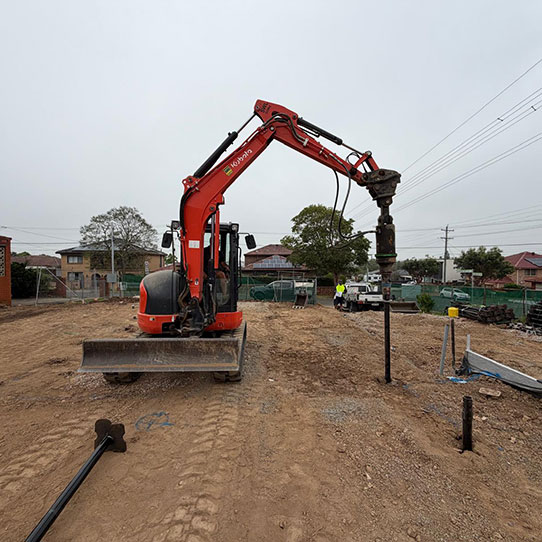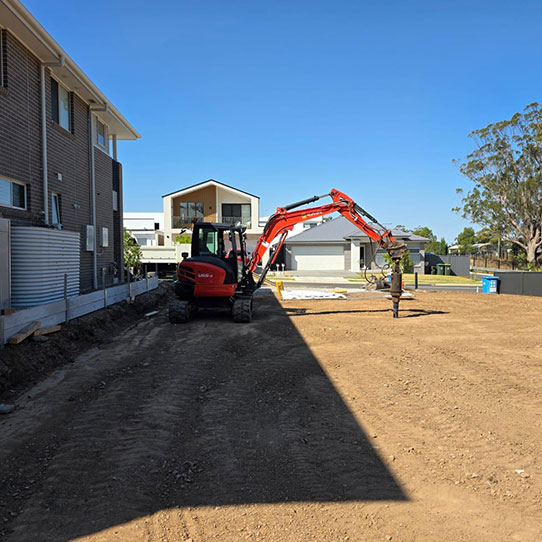
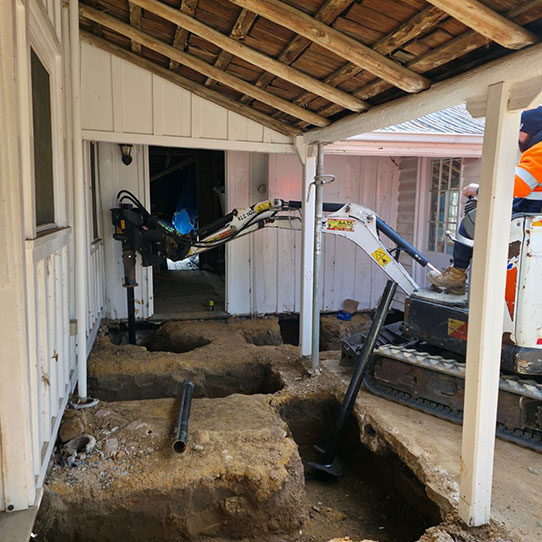
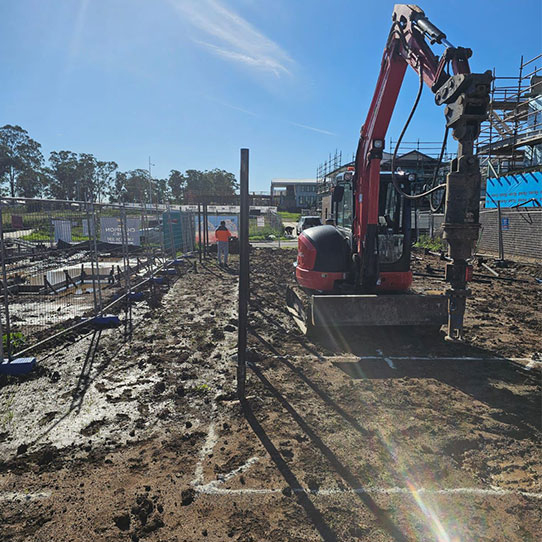
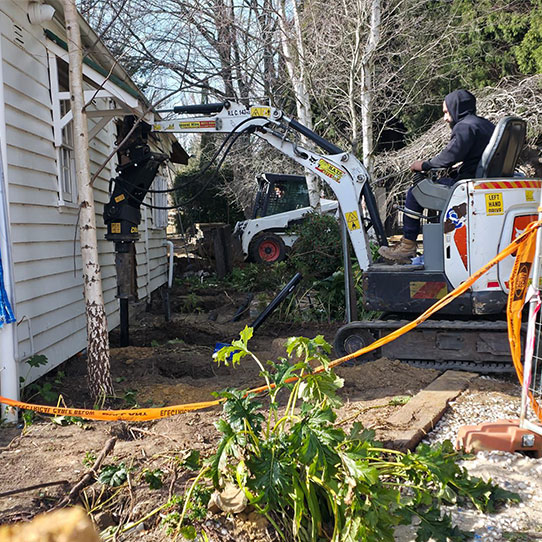
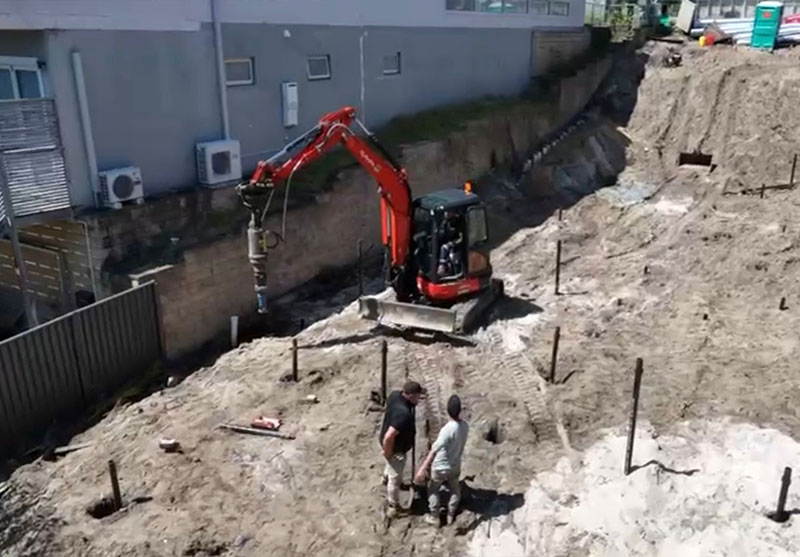
Screw Piling Wollongong & Illawarra

Foundations for Slopes, Escarpment & Coastal Sites

Why Illawarra Sites Demand Careful Foundation Planning

Construction across Wollongong and the Illawarra is heavily shaped by the escarpment, coastal conditions, and steeply sloping terrain.

Builders in the region regularly deal with:

These factors mean footing decisions in the Illawarra carry higher structural and approval risk if not addressed early.

This is why screw piling is commonly specified across Wollongong and the Illawarra for projects where slope, access, and ground variability make traditional footings unreliable.

Why Screw Piling Is Widely Used in Wollongong & the Illawarra

Screw piles are frequently chosen in the region because they:
On many Illawarra sites, screw piling is selected to reduce construction risk, not just to simplify installation.

Common Illawarra Use Cases for Screw Piling

Builders across Wollongong and the Illawarra commonly use screw piles for:

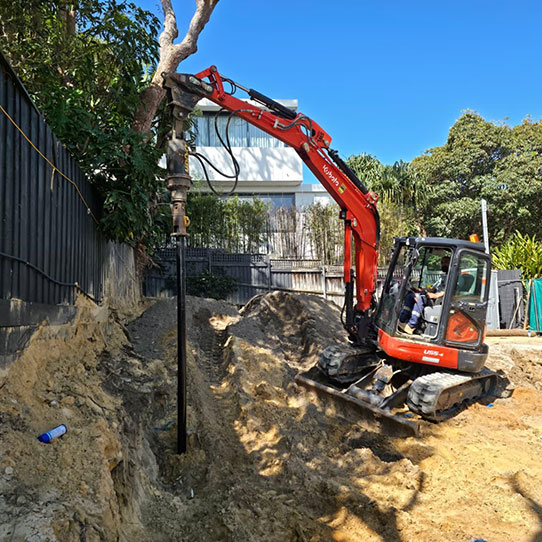
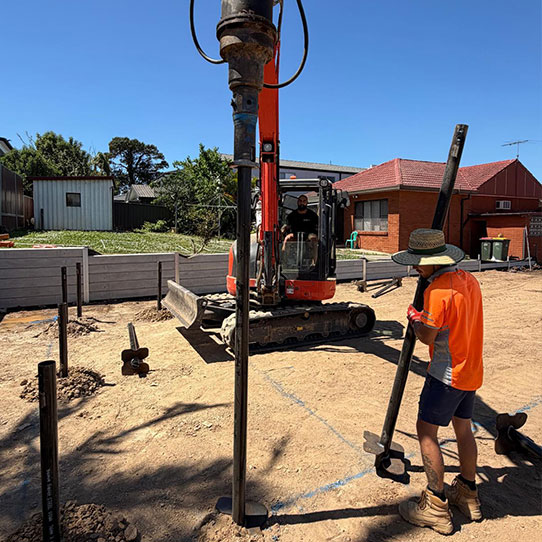
Screw piles allow foundation systems to work with the terrain rather than against it.

Ground Conditions in Wollongong & the Illawarra

Sloping and Cut-and-Fill Sites

Many sites in the Illawarra involve significant level changes, requiring careful management of load paths and settlement.
Screw piles allow variable depths across the site footprint, reducing reliance on stepped footings and deep excavations.
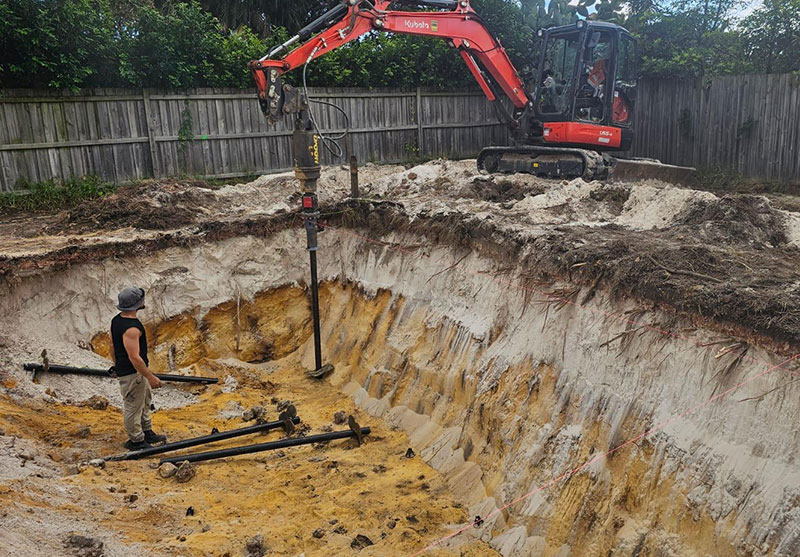
Variable and Reactive Soils

Soil profiles can change quickly across short distances, particularly near the escarpment.
Deep foundations help manage this variability more reliably than shallow systems.
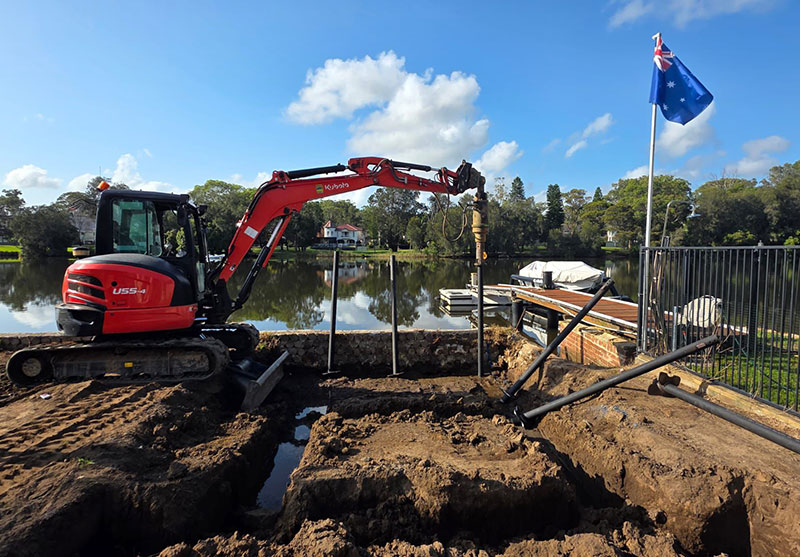
Coastal
Exposure

Proximity to the coast increases the importance of corrosion protection and design life considerations.
Engineering, Compliance & Escarpment Sensitivity

Screw piling in Wollongong and the Illawarra is designed and installed in accordance with:
On escarpment-adjacent and steep sites, certifiers often apply increased scrutiny, making clear documentation essential.

Corrosion and Durability Considerations

Coastal exposure often requires:
Addressing durability at design stage prevents redesigns and approval delays later.

Documentation and Approval Expectations

Builders should expect documentation including:
Clear records support faster certification, particularly on sensitive sites.

How Screw Piling Typically Works on Illawarra Projects

1
Builder provides plans and site details
2
Geotechnical assessment confirms slope and soil profile
3
Engineer designs screw pile system to suit terrain and loads
4
Installation proceeds with minimal excavation
5
Documentation is issued for certification
This approach helps builders manage both slope-related risk and approvals efficiently.

When Screw Piling May Not Be Required

Screw piles may be unnecessary where:
As always, footing selection should be site-specific.

Key Takeaways for Wollongong & Illawarra Builders

Frequently Asked Questions

Are screw piles suitable for escarpment-adjacent sites?

Yes, they are commonly used where excavation must be minimised.
Often yes, particularly on the low side of the site.
Frequently, depending on exposure and design life.
Yes, when engineered and documented correctly.

Plan for Slope and Ground Risk Early

On Wollongong and Illawarra projects, footing decisions have a major impact on safety, approvals, and program certainty.

A short feasibility discussion early in design can prevent costly changes once construction starts.

Submit your details and plans using the enquiry form below

Request A Quote