Screw Piling Bondi
Foundations for Tight Access and Coastal Builds
Why Bondi Builds Are Rarely Straightforward
Building in Bondi is very different from building on a broad suburban block.
- Extremely tight access and narrow side setbacks
- Neighbour sensitivity and limited working space
- Coastal exposure and corrosion risk
- Older housing stock with unknown or inconsistent footings
- Renovations and knockdown rebuilds on constrained lots
On sites like these, traditional excavation-based footings often introduce delay, disruption, and approval friction.
This is why screw piling is commonly specified for Bondi projects where access, program certainty, and coastal conditions must be carefully managed.
Why Screw Piling Is Commonly Used in Bondi
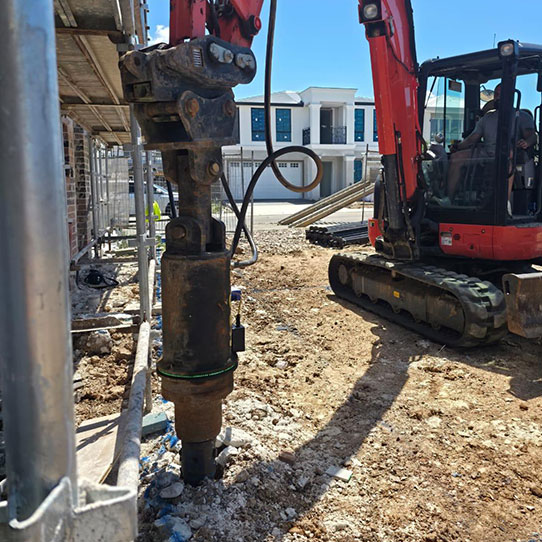
- Require minimal excavation and spoil removal
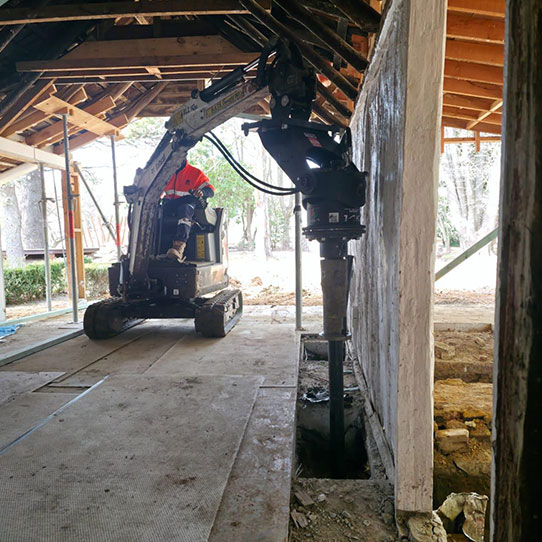
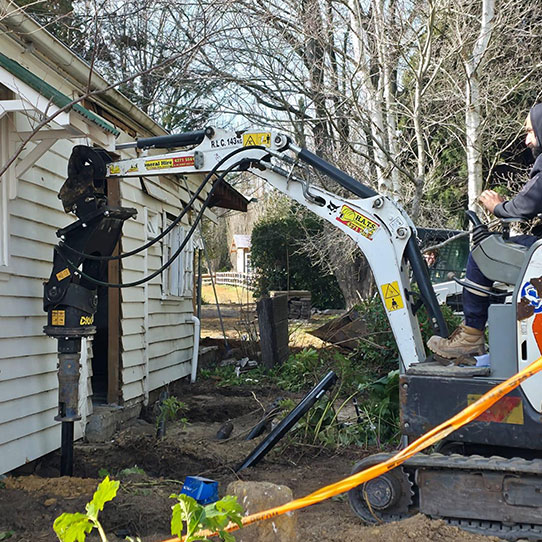
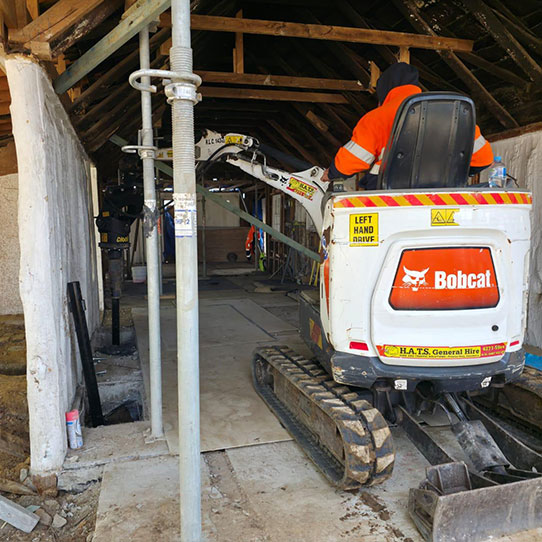
- Can be installed in very tight access conditions
- Reduce disturbance to neighbouring properties
- Transfer load beyond variable near-surface soils
- Perform well when engineered for coastal exposure
For many Bondi builds, screw piling isn’t about speed — it’s about reducing risk on difficult sites.
Typical Bondi Use Cases
- Rear and upper-level extensions
- Knockdown rebuilds on narrow blocks
- Renovations to older coastal homes
- Decks, balconies, and elevated structures
- Sites where excavation would impact neighbours or boundaries
Ground and Access Conditions in Bondi

Tight Access and Constrained Sites
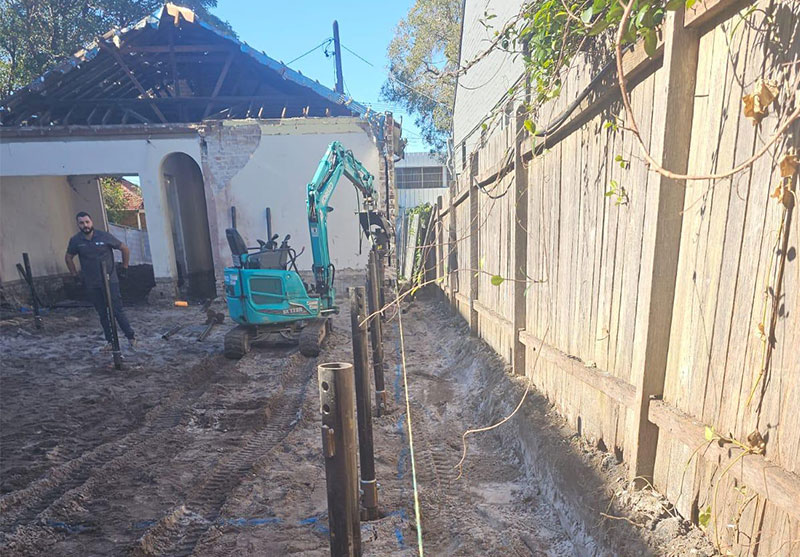
Bondi blocks often allow less than one metre of side access, limiting excavation equipment and spoil handling.
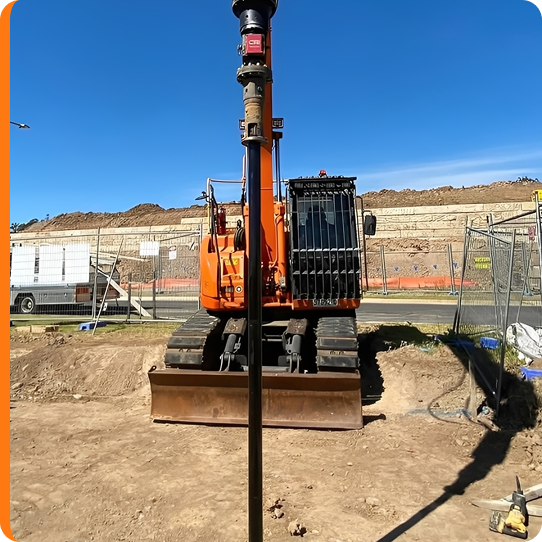
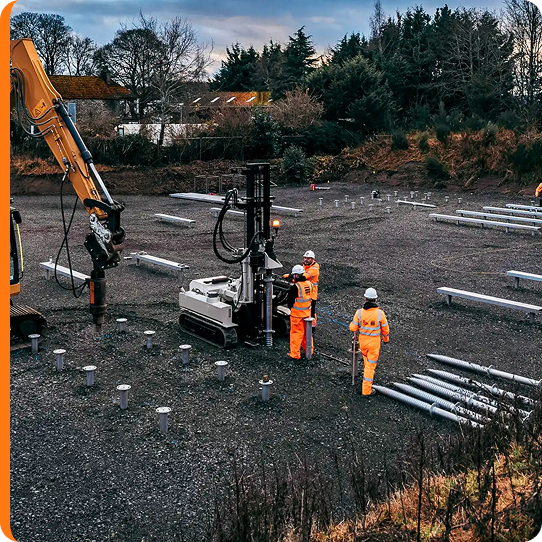
Compact screw piling rigs can often access sites where traditional footing methods struggle.
Variable Ground Conditions
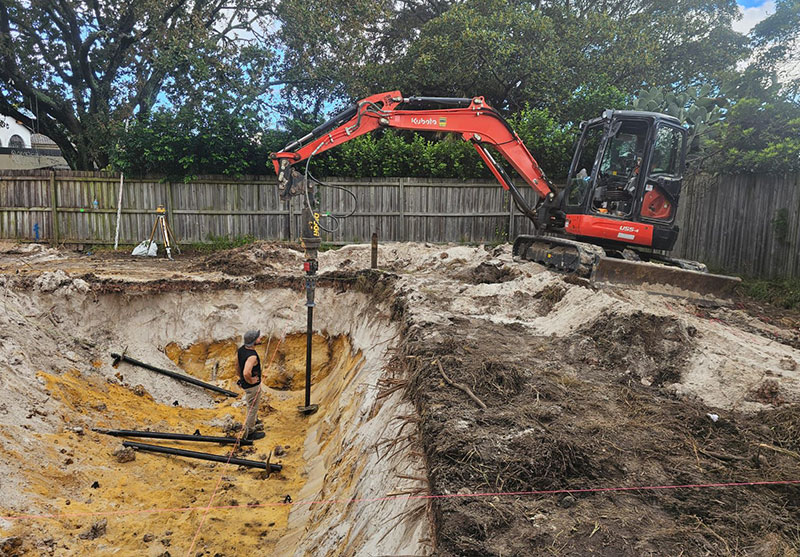
Older Bondi sites may include:
- Historic fill
- Reworked soils from previous renovations
- Variable bearing close to the surface
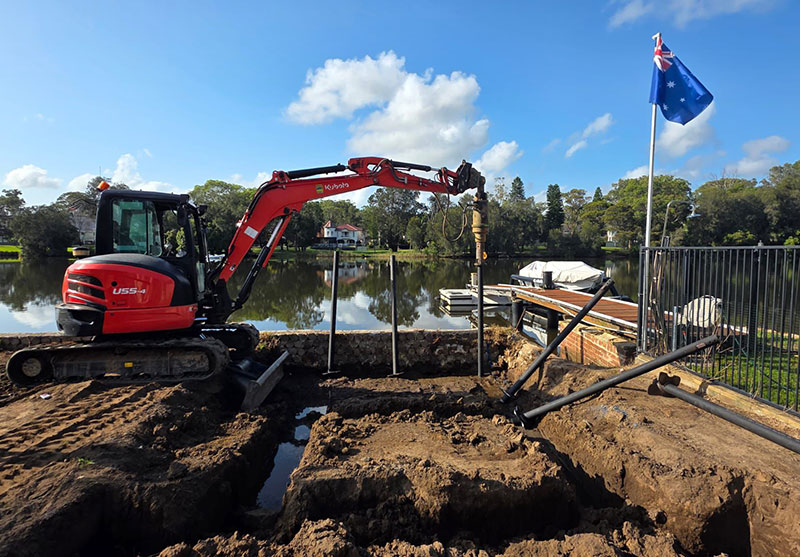
Coastal Exposure
Salt-laden environments increase corrosion risk, making durability a key design consideration.
Engineering, Compliance & Coastal Design
- AS 2159 – Piling: Design and Installation
- Site‑specific geotechnical reports
- Structural engineering design
- Galvanising or protective coatings
- Corrosion allowances for coastal exposure
- Defined design life assumptions
Documentation and Approval Expectations
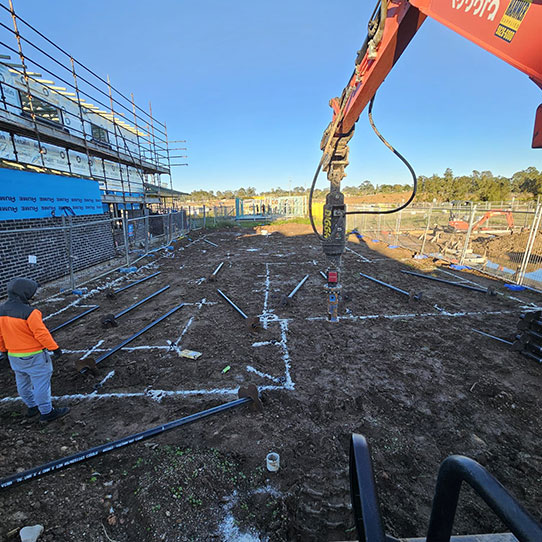
- Clear installation records (pile locations and depths)
- Material specifications and corrosion protection details
- As-built information
- Site photos where access or proximity is sensitive
How Screw Piling Typically Works on Bondi Builds
Builder provides plans and available site information
Engineer confirms footing strategy and pile design
Installation is completed with minimal excavation
Documentation is issued to support certification
This approach helps builders maintain momentum on highly constrained coastal sites.
When Screw Piling May Not Be Necessary
- Access allows conventional excavation
- Ground conditions are uniform and shallow footings are engineered
- Structural loads are low
Key Takeaways for Bondi Builders
- Bondi sites are constrained and neighbour-sensitive
- Screw piles reduce excavation and site disruption
- Coastal exposure requires corrosion-aware design
- Engineering and documentation drive approvals
- Early feasibility checks reduce delays
Frequently Asked Questions
Are screw piles suitable for very tight Bondi sites?
Yes. Tight access is one of the main reasons they’re specified.
Are screw piles common for Bondi renovations?
Very common, especially for extensions and decks.
Do coastal Bondi sites require corrosion protection?
Often yes, depending on proximity and exposure.
Will certifiers approve screw piles in Bondi?
Yes, when engineered and documented correctly.