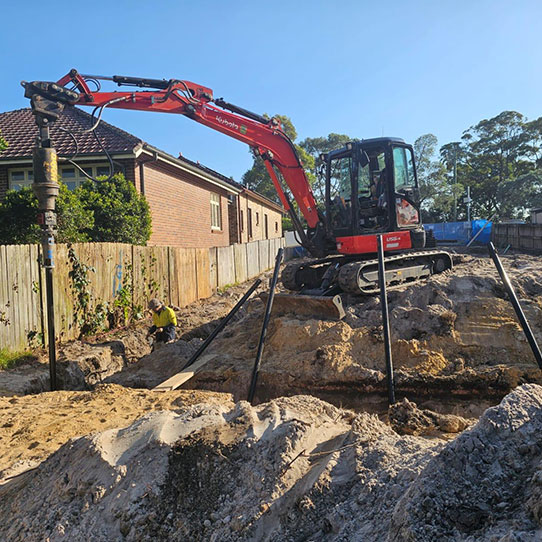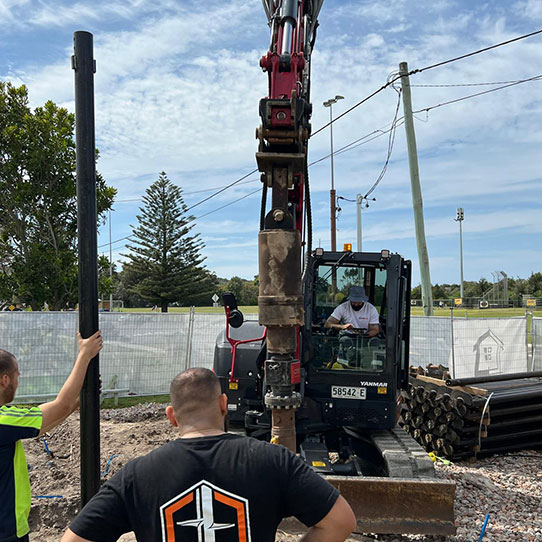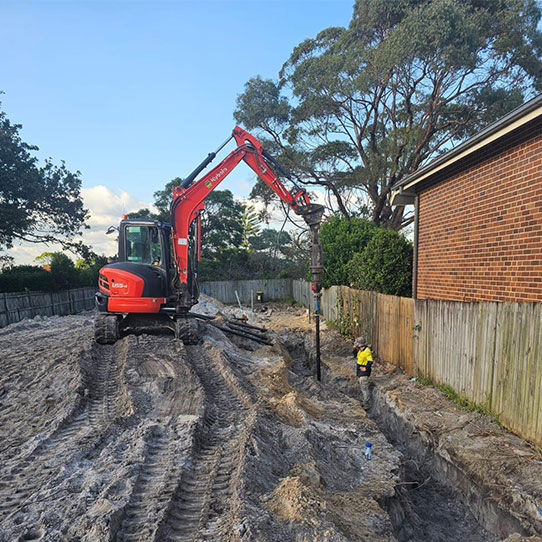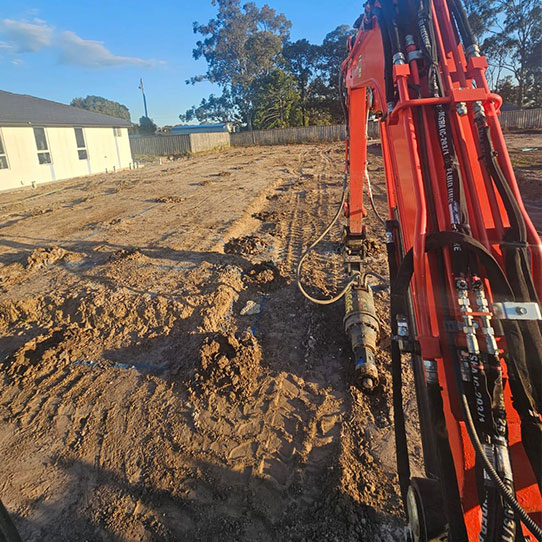
Screw Piling Wollongong
Foundations for Coastal, Sloping & Infill Sites
Why Building in Wollongong Requires Smarter Footings
Wollongong combines coastal exposure, sloping terrain, and established residential suburbs — a mix that regularly complicates footing decisions.
- Steep or irregular block levels
- Cut-and-fill conditions on residential sites
- Tight access in older suburbs
- Variable and reactive soils
- Coastal corrosion considerations
Why Screw Piling Is Commonly Used in Wollongong
- Adapt easily to sloping and stepped sites
- Reduce the need for bulk excavation
- Transfer load to competent strata beneath variable surface soils
- Minimise disruption on tight residential blocks
- Perform reliably when designed for coastal exposure
Typical Wollongong Use Cases
- New homes on sloping or coastal blocks
- Knockdown rebuilds in established suburbs
- Extensions and renovations with tight access
- Decks, balconies, and elevated structures
- Infill housing where excavation is constrained
Ground and Access Conditions in Wollongong

Sloping Residential Blocks
Many Wollongong sites sit on or near the Illawarra escarpment, creating steep level changes across relatively small lots.
Screw piles allow pile depths to vary across the site footprint, reducing reliance on stepped footings and extensive retaining.
Variable and Reactive Soils
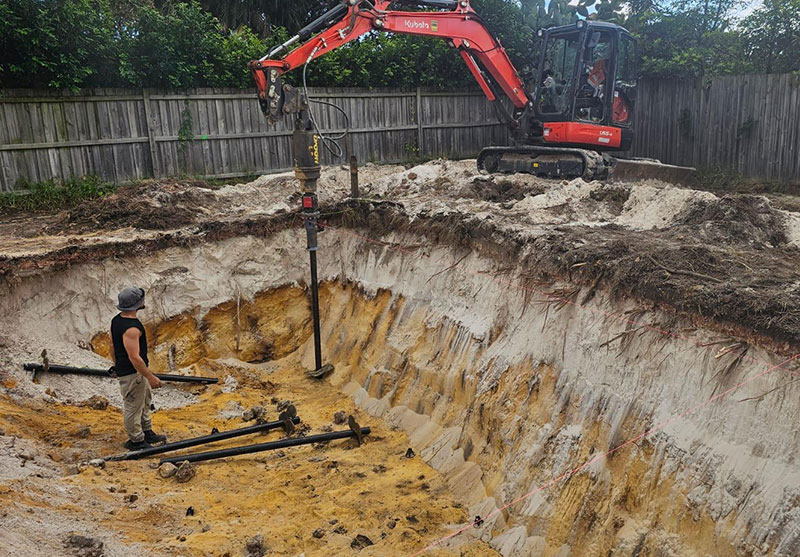
Soil conditions can change quickly across short distances, particularly between coastal flats and rising escarpment ground.
Deep foundation systems help manage this variability more reliably than shallow footings.
Tight Access in Established Areas
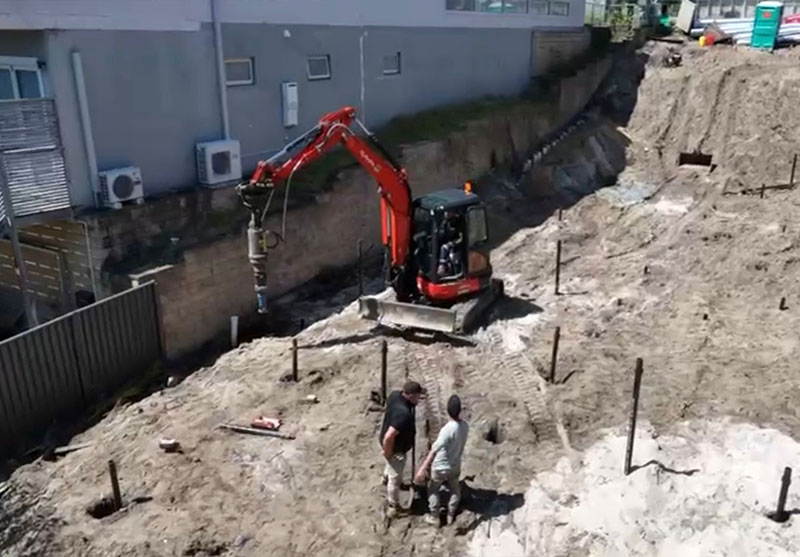
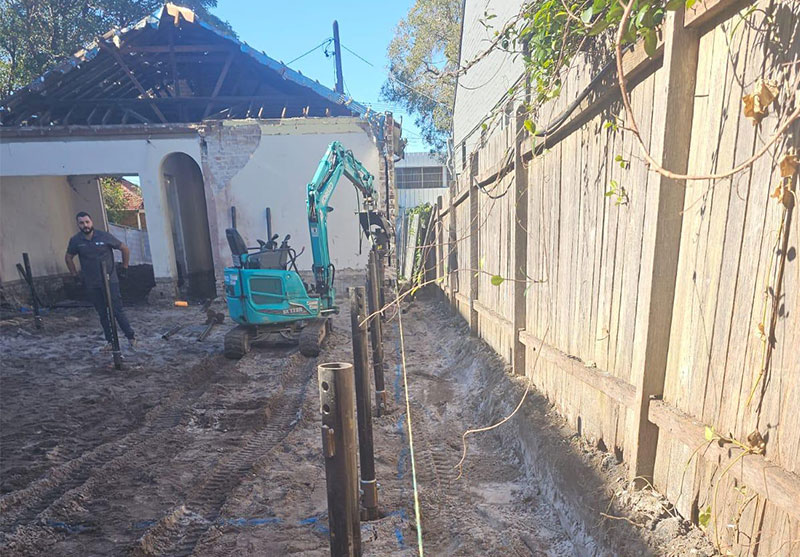
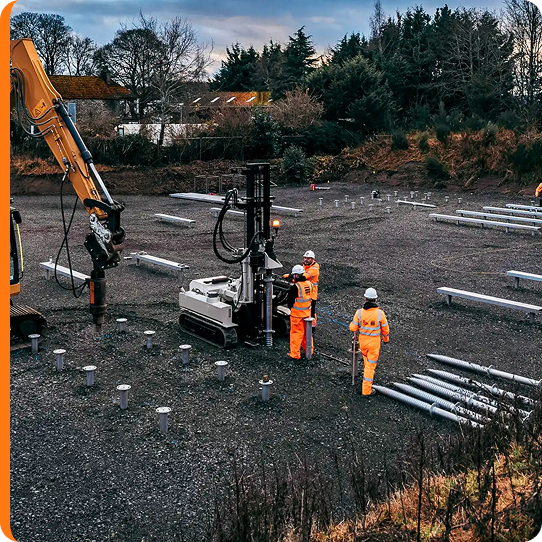
Older Wollongong suburbs often offer limited access for excavation equipment, increasing the appeal of compact piling rigs.
Engineering, Compliance & Local Approvals
- AS 2159 – Piling: Design and Installation
- Site-specific geotechnical reports
- Structural engineering design
On sloping or coastal sites, certifiers often apply increased scrutiny, making clear documentation essential for smooth approvals.
Coastal Exposure and Durability Planning
Proximity to the ocean means corrosion must be addressed early.
Engineering designs may include:- Galvanised piles or protective coatings
- Increased steel thickness allowances
- Defined design life assumptions
Documentation and Sign-Off Expectations
- Installation records (pile locations and depths)
- Pile specifications and corrosion protection details
- As-built information
- Site photos where access or proximity is sensitive
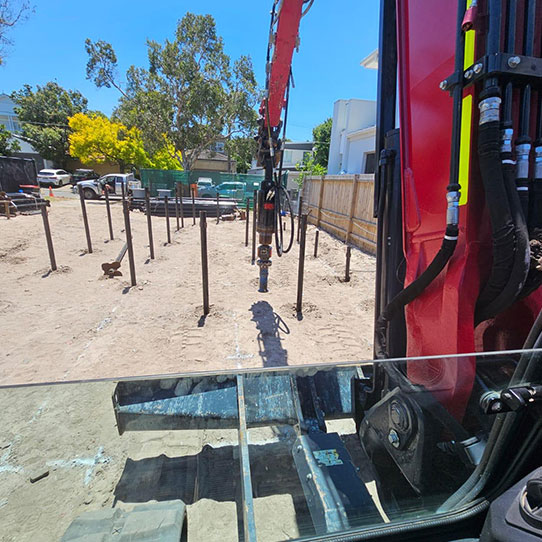
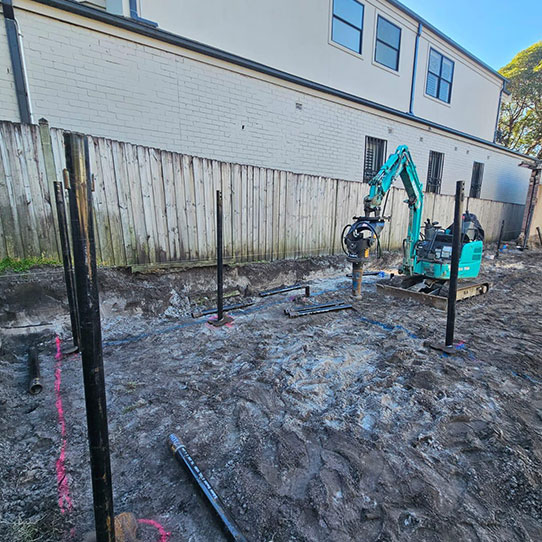
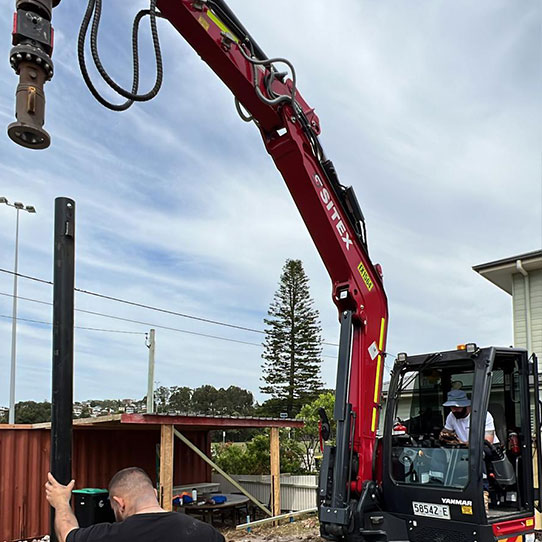
How Screw Piling Typically Works on Wollongong Projects
When Screw Piling May Not Be Required
- Slopes are minor and ground conditions are uniform
- Shallow footings are engineered as suitable
- Access allows conventional excavation without added risk
Key Takeaways for Wollongong Builders
- Wollongong sites often involve slope and coastal exposure
- Screw piles reduce excavation on difficult blocks
- Variable soils benefit from deep foundations
- Corrosion protection must be addressed early
- Engineering coordination improves approval outcomes
Frequently Asked Questions
Are screw piles suitable for sloping Wollongong sites?
Do coastal Wollongong sites need corrosion protection?
Are screw piles common for Wollongong renovations?
Will local certifiers approve screw piles?
Plan for Slope and Coastal Risk Early
On Wollongong projects, early footing decisions have a major impact on cost, program, and approvals.
A short feasibility discussion during design can prevent costly changes once construction begins.