Screw Piling Richmond

Foundations for Floodplain, Variable Soils & Semi‑Rural Sites

Why Richmond Sites Require a Different Footing Mindset

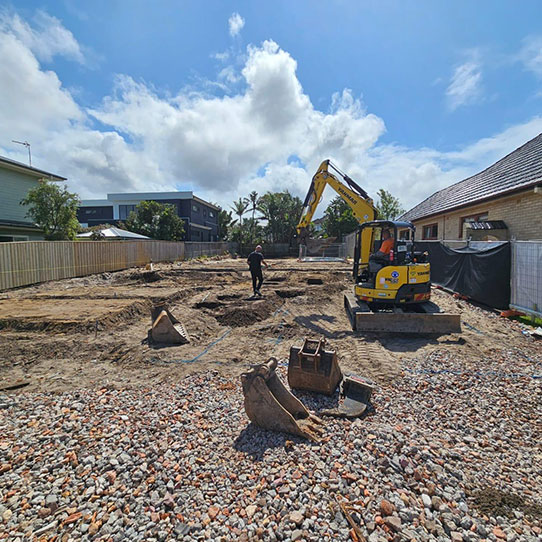
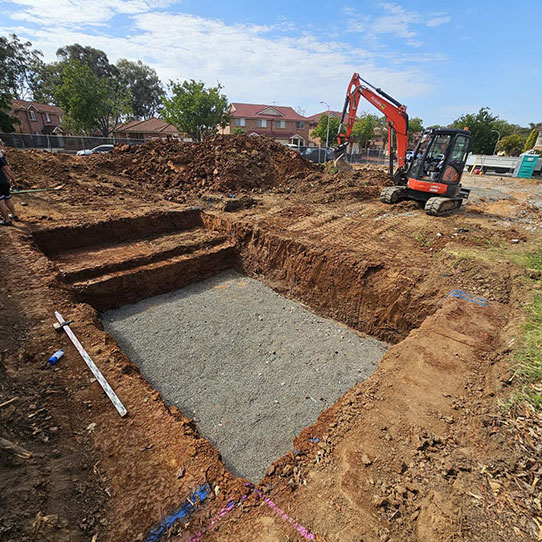
Richmond sits at the intersection of metropolitan construction and semi‑rural ground conditions.

Builders working in Richmond commonly encounter:

While blocks in Richmond are often larger and appear straightforward, ground behaviour and moisture variability introduce real footing risk if shallow systems are assumed too early.

This is why screw piling is frequently specified on Richmond projects where reliability through changing ground conditions is critical.

Why Screw Piling Is Commonly Used in Richmond

Screw piles are well suited to Richmond sites because they:
For many Richmond builds, screw piling is chosen to manage soil and moisture uncertainty, not simply to speed up installation.

Typical Richmond Use Cases

Builders commonly use screw piles in Richmond for:
These projects often prioritise long‑term stability over minimal initial excavation.

Ground and Environmental Conditions in Richmond

Floodplain and High Moisture Environments

Parts of Richmond sit within or near flood‑influenced areas, where soil moisture content can fluctuate significantly.

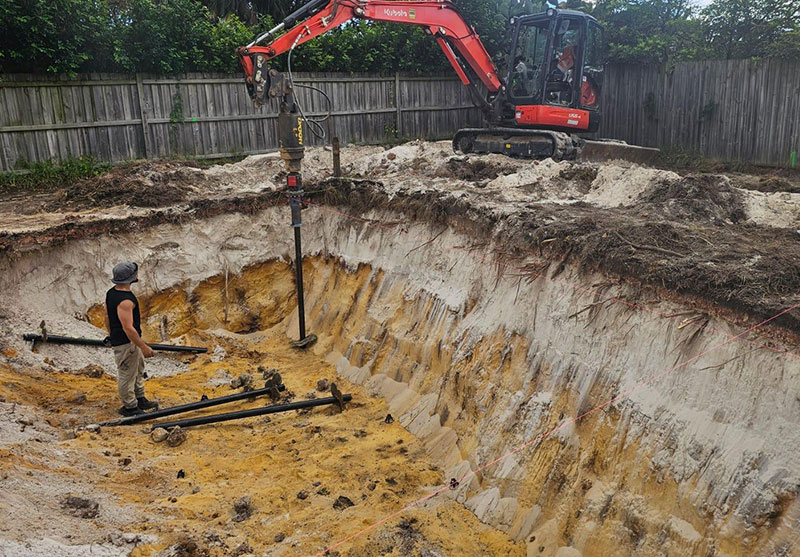
Screw piles transfer load to deeper, more stable strata, reducing sensitivity to surface moisture changes.
Reactive and Variable Soils

Soil profiles in the Richmond area can change across a single site, particularly on larger parcels.

Deep foundation systems help manage this variability more consistently than shallow footings.
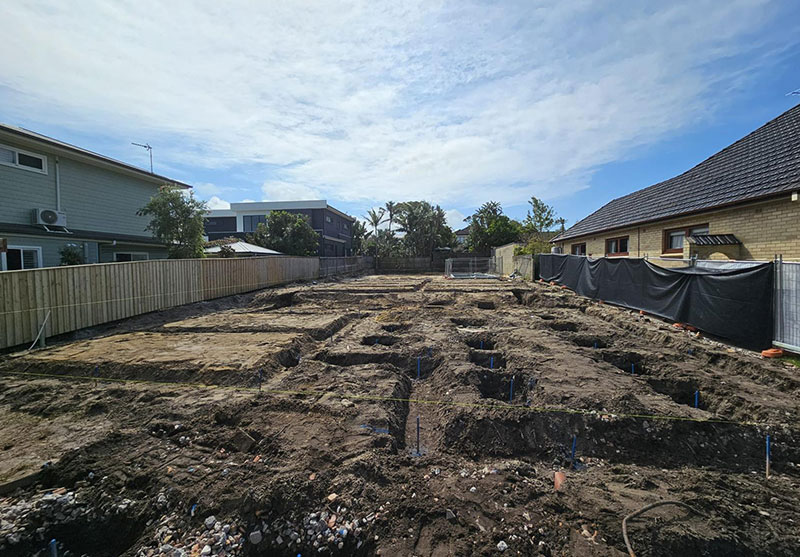
Larger Lots, Different Challenges

While access is often easier than inner‑city sites, larger blocks introduce:

  • Greater variability in ground conditions
  • Increased exposure to weather
  • Less historical subsurface data
Engineering input is critical to manage these factors.

Engineering, Compliance & Flood Considerations

Screw piling in Richmond is designed and installed in accordance with:
On flood‑affected or moisture‑sensitive sites, engineers often focus on:

Documentation and Sign‑Off Expectations

Builders should expect documentation including:

Clear documentation supports smoother approvals on flood‑influenced sites.

How Screw Piling Typically Works on Richmond Projects

1
Builder provides plans and available site information
2
Geotechnical assessment confirms soil profile and moisture conditions
3
Engineer designs screw pile system to suit loads and environment
4
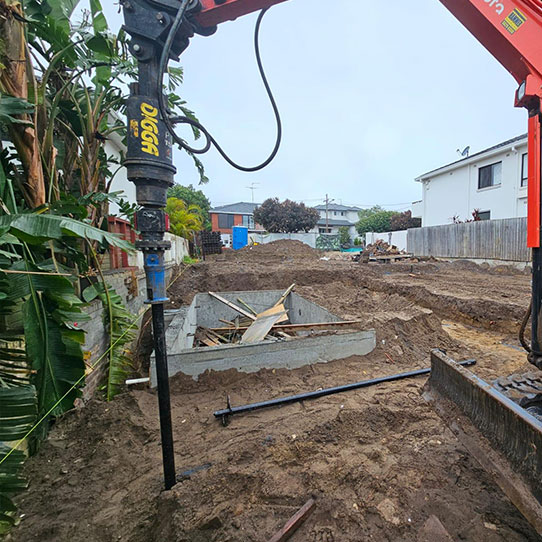
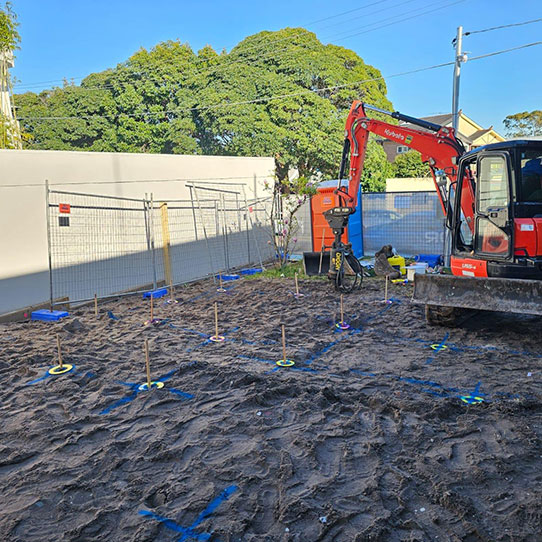
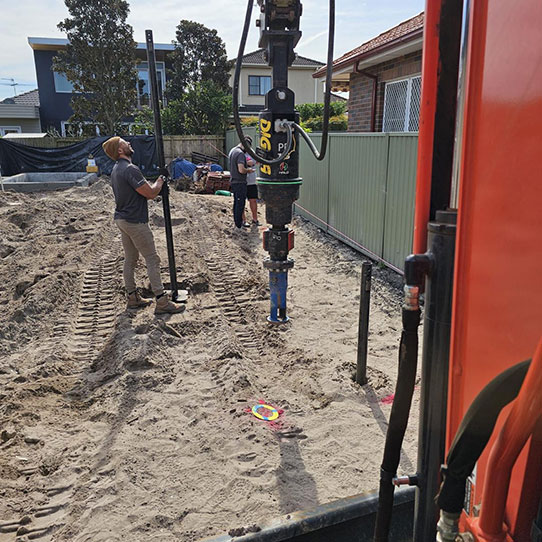
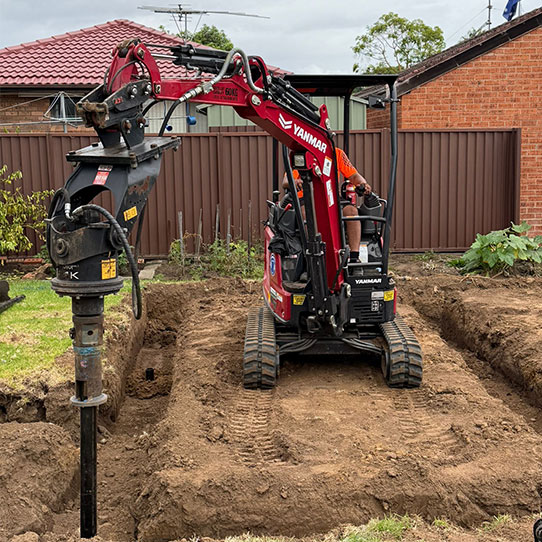
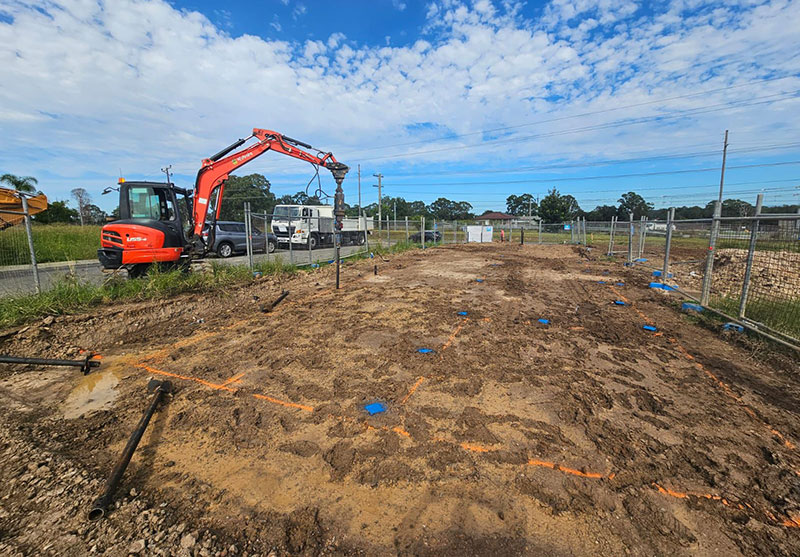
Installation proceeds with minimal excavation impact

5

Documentation is issued for certification
This process helps builders maintain footing reliability despite seasonal ground changes.

When Screw Piling May Not Be Required

Screw piles may be unnecessary where:
As always, footing selection should be site‑specific.

Key Takeaways for Richmond Builders

Frequently Asked Questions

Are screw piles suitable for flood‑affected sites?

Often yes, subject to engineering design and approvals.
Commonly, particularly where reactive soils are present.
They are generally less sensitive than shallow footings.
Yes, when engineered and documented correctly.

Plan for Moisture and Soil Variability Early

On Richmond projects, footing decisions must account for changing ground conditions. A short feasibility discussion early in design can prevent settlement issues and costly changes later in the build.

Submit your details and plans using the enquiry form below

Request A Quote