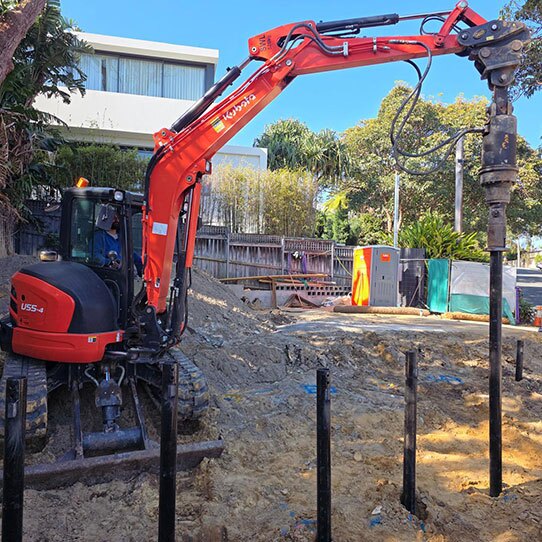
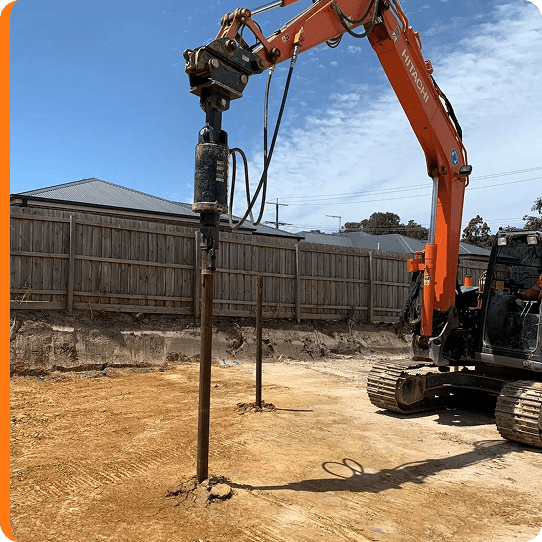
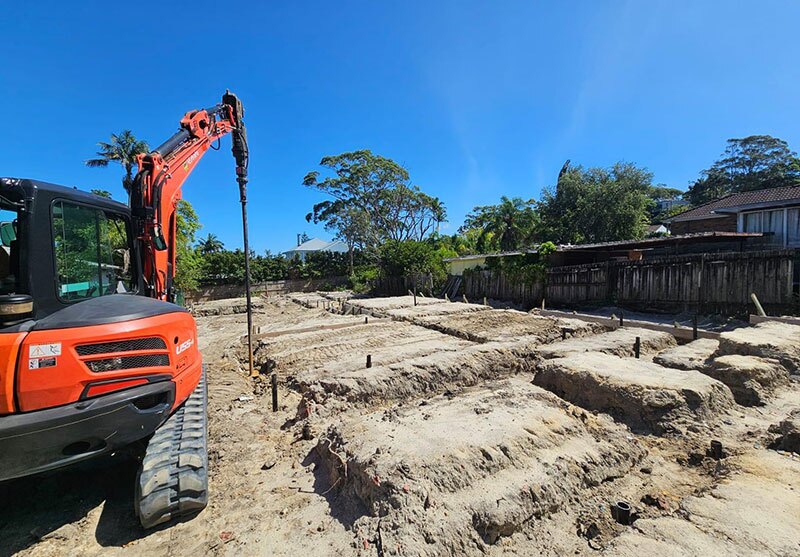
Screw Piling Fairfield
Foundations for Fill Sites, Infill Builds & Program Certainty
Why Fairfield Footings Often Need Extra Care
Fairfield is an active construction area with a high volume of knockdown rebuilds, duplexes, and infill housing.
Builders working in Fairfield commonly encounter:
- Historic or uncontrolled fill
- Reworked residential sites from previous developments
- Flat blocks that hide subsurface variability
- Tight side access on subdivided lots
- Strong pressure to maintain fast build programs
While sites may appear straightforward at ground level, foundation risk in Fairfield often sits below the surface.
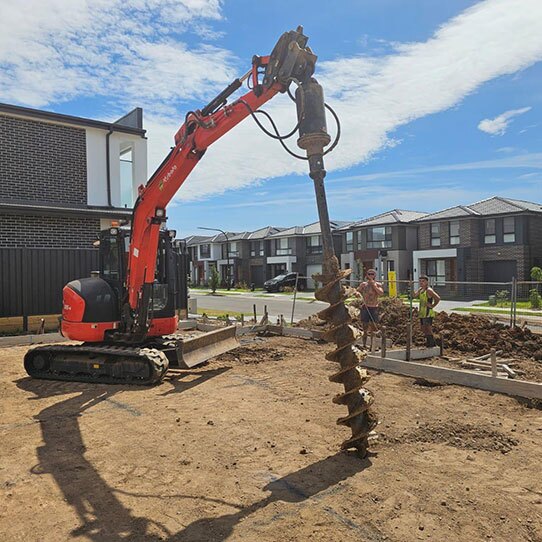
This is why screw piling is frequently specified for Fairfield projects where reliability and program certainty are critical.
Why Screw Piling Is Commonly Used in Fairfield
- Bypass fill and weak near-surface soils
- Reduce reliance on excavation-based footings
- Perform consistently across variable ground conditions
- Allow rapid installation with minimal site disruption
- Support predictable footing programs on infill sites
Typical Fairfield Use Cases
- Knockdown rebuilds on reworked residential lots
- Duplexes and medium-density infill housing
- Extensions and renovations on older homes
- Granny flats and secondary dwellings
- Sites where excavation would expose fill or services
Ground and Access Conditions in Fairfield

Historic and Uncontrolled Fill
Many Fairfield blocks contain fill from earlier development phases.
The depth, compaction, and consistency of this fill can vary significantly, increasing settlement risk for shallow footings.
Screw piles transfer load beyond these layers to more competent strata.
Flat Blocks with Hidden Variability
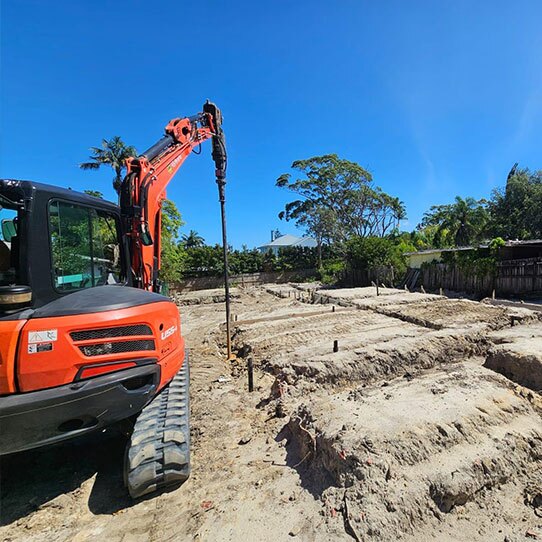
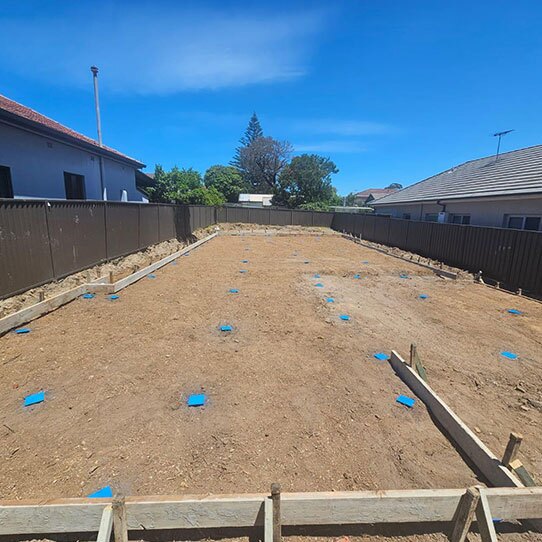
Although many Fairfield sites are flat, subsurface conditions can change across short distances.
Deep foundation systems help manage this variability more reliably than shallow systems.
Tight Infill
Access
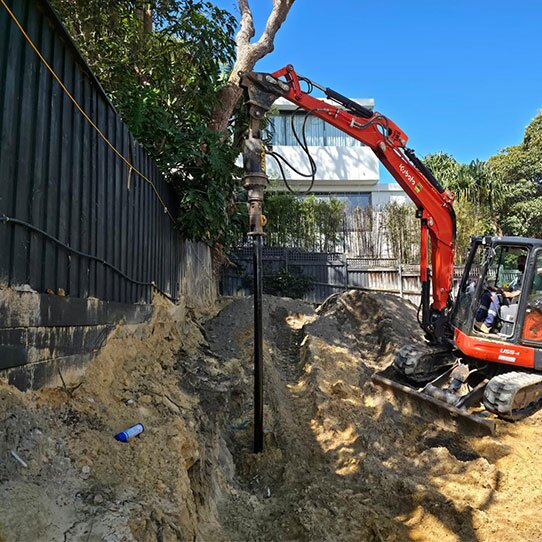
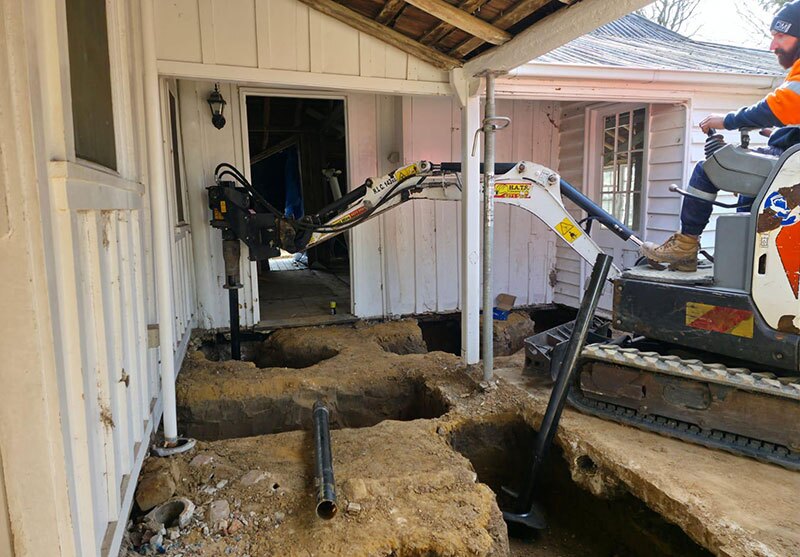
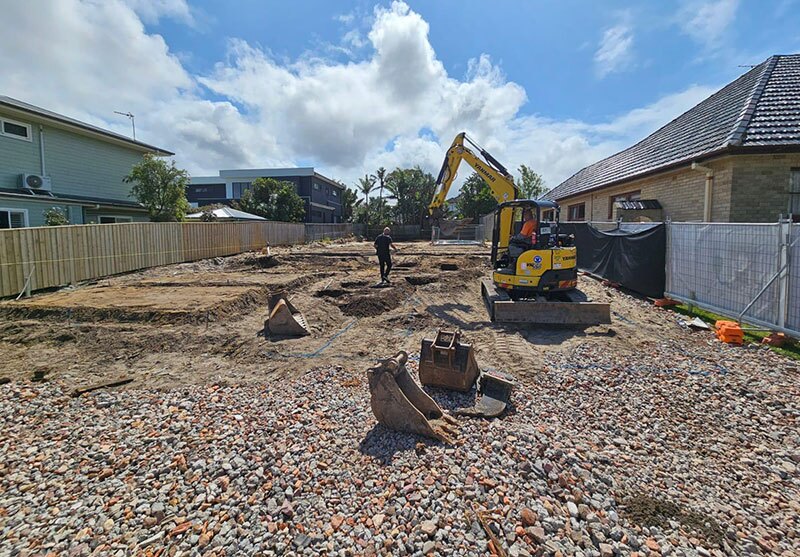
Subdivision and infill development often reduce side access, limiting excavation equipment and spoil handling.
Compact screw piling rigs can operate effectively in these environments.
Engineering, Compliance & Local Approvals
- AS 2159 – Piling: Design and Installation
- Site-specific geotechnical reports
- Structural engineering design
- Confirmation that fill has been bypassed
- Clear load paths and pile depths
- Accurate installation records
Documentation and Sign-Off Expectations
- Installation records (pile locations and achieved depths)
- Pile specifications and materials
- As‑built information
- Site photos where fill or access is a concern
How Screw Piling Typically Works on Fairfield Projects
Builder provides plans and site information
5
When Screw Piling May Not Be Required
- Ground conditions are uniform and fill-free
- Shallow footings are engineered as suitable
- Access allows conventional excavation without added risk
Key Takeaways for Fairfield Builders
- Fairfield sites often contain historic or uncontrolled fill
- Screw piles bypass weak surface layers
- Flat sites can still hide subsurface variability
- Documentation is critical for infill approvals
- Early planning improves program certainty